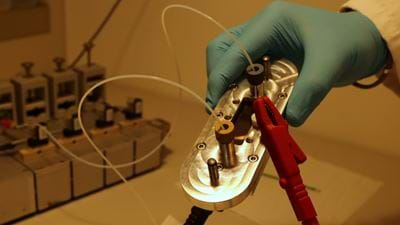
Electric avenue: researchers use electric fields to catalyse chemical reactions
WHAT if you could one day catalyse your industrial reactions with electric fields rather than the...

WHAT if you could one day catalyse your industrial reactions with electric fields rather than the...
A PROCESS that uses genetically modified microorganisms to make a chemical used in insulating foa...
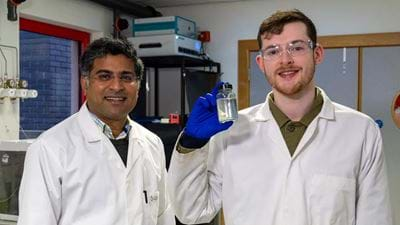
WASTEWATER from whisky distilleries could be used to produce hydrogen, saving precious freshwater...
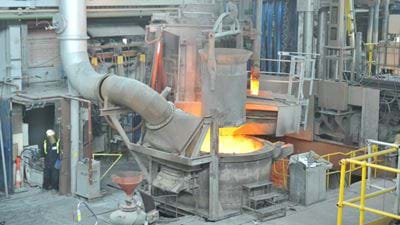
ENGINEERS working on a process to produce zero-emission cement as a byproduct of recycling steel ...

A CARBON capture technology developed at the University of Sheffield by IChemE member Peter Styri...
NUADA, which is developing a MOF-based carbon capture process, has received £3.4m (US$4.3m) inves...
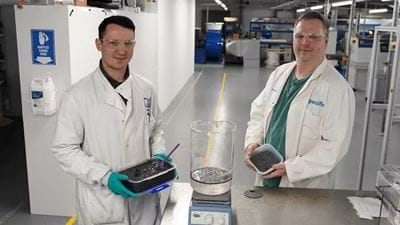
ENGINEERS at Swansea University, UK have developed a heat storage material made from seaweed that...
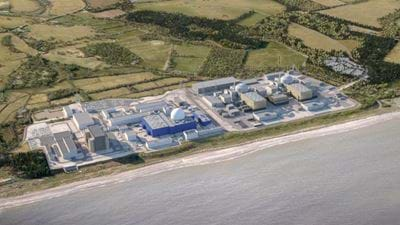
SIZEWELL C, in the UK, is developing plans to demonstrate how heat from a nuclear plant could be ...
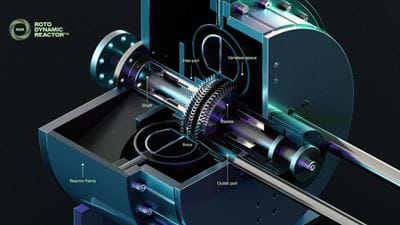
LINDE has formed a strategic partnership with Coolbrook to develop and deploy a turbomachine desi...
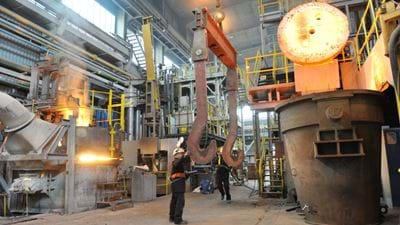
CHEMICAL engineers from Imperial College London have joined forces with the UK’s Materials Proces...

ARCELORMITTAL, BHP, and Mitsubishi Heavy Industries Engineering (MHIENG) have signed a funding ag...
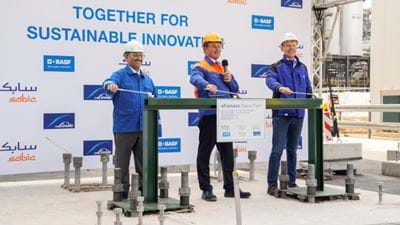
BASF, SABIC and Linde have begun electrifying a steam cracker at the huge Ludwigshafen chemicals ...
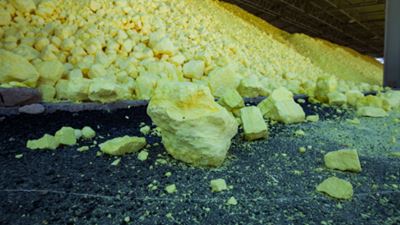
A NEW study by researchers at UCL suggests that supplies of sulfuric acid, a vital ingredient use...

FRENCH biotech firm Carbios has signed an agreement with On, Patagonia, Puma, and Salomon, to spe...
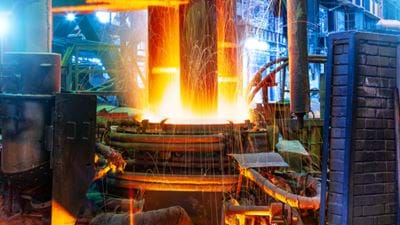
WHAT if it were possible to make cement as a byproduct of recycling steel – and power its product...
Catch up on the latest news, views and jobs from The Chemical Engineer. Below are the four latest issues. View a wider selection of the archive from within the Magazine section of this site.