Viewpoint: Using Electrolysis to Improve Wastewater Treatment Efficiency
Richard Scott examines how on-site electrolysis could reduce aeration demand and energy use in wa...

Richard Scott examines how on-site electrolysis could reduce aeration demand and energy use in wa...

The second edition of the Water Discovery Challenge will award up to £7.5m (US$10m) to innovator...
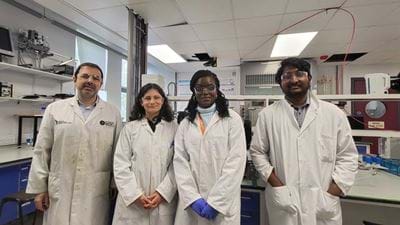
With restrictions on fossil fuel-based filters expected in Europe, Aniqah Majid visits the Univer...
Stephen Hall and Sarah Kutz examine strategies to reduce the carbon footprint of water purificati...
Davide Dionisi’s worked example demonstrates how sustainable wastewater treatment design can bala...
Patricia Handmann and Anna Canning explain the BOxHy project, designed to sustainably combat coas...

Nitrous oxide emissions from water resource recovery facilities have long been under-estimated sa...
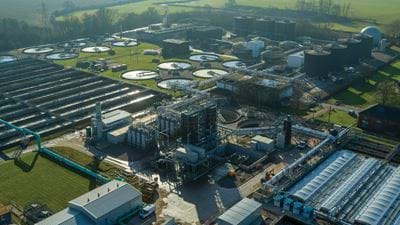
Engineers from Severn Trent and AtkinsRealis explain how applying novel process engineering tec...
Martin Pitt looks back on the history of drinking water and chemical engineers’ contribution to it

With fresh water in limited supply, ensuring water security is a global challenge demanding urgen...
Kariappa Karumbaiah explains how Hydroxsys hopes to place innovative membrane technology at the...
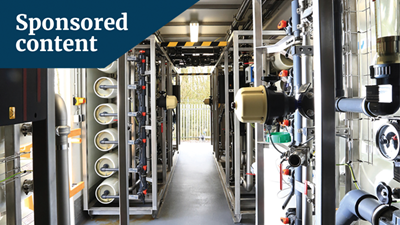
Plant operators are increasingly looking at ways to improve the efficiency and reliability of the...

Amanda Jasi reports on a project that aims to introduce circular symbiotic arrangements between i...
With clean water scarcity a major problem, Kerry Hebden looks at unconventional options for obtai...
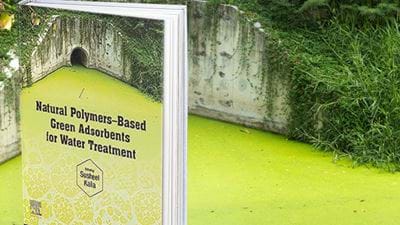
Editor: Susheel Kalia; ISBN: 9780128205419; Elsevier; 2021; €152.60
Catch up on the latest news, views and jobs from The Chemical Engineer. Below are the four latest issues. View a wider selection of the archive from within the Magazine section of this site.