IChemE Matters - July/August 2026

Ollie Folayan MBE succeeds Raffaella Ocone as IChemE president
ICHEME has welcomed Ollie Folayan MBE as its 85th president, succeeding Raffaella Ocone. Head of process engineering at Costain, Folayan has more than two decades of experience spanning traditional energy industries and emerging low-carbon technologies including hydrogen and carbon capture.
Folayan has also been widely recognised for his advocacy work to improve diversity and inclusion across engineering. He co-founded the Association for Black and Minority Ethnic Engineers (AFBE-UK) and was awarded an MBE for services to diversity and inclusion in engineering in 2023.
Yvonne Baker OBE, chief executive of IChemE, said: “Dr Folayan brings extensive experience across both traditional energy sectors and emerging low-carbon technologies, alongside a strong commitment to inclusion, professional development and the future of engineering. His leadership comes at an important time for both the profession and the industries it supports.”
After serving as president in 2025–26, Raffaella Ocone will continue to support the institution as immediate past-president. Throughout her presidency she focused on strengthening the role of chemical engineering in addressing societal challenges while promoting ethics, inclusion and public trust across the profession.
“It has been a privilege to serve as president during a period of significant change for both the profession and wider society,” said Ocone. “I am proud to have championed the importance of ethical leadership, diversity and research in shaping a fairer and more sustainable future for chemical engineering and I look forward to continuing to champion these areas as immediate past-president.”
Further details on Folayan’s presidential year and upcoming IChemE activities will be shared in the coming weeks via the institution’s website and member channels.
To find out more about events, visit www.icheme.org

Resilience, security and the decarbonised future
MITCHELL CLARK, HEAD OF POLICY
At the recent ChemEngConnect virtual conference, we hosted a session with an international panel of experts discussing how international trends and policy changes will affect chemical industries and chemical engineers over the next 12 months. The discussion pointed to a wider shift in industrial policy: resilience is no longer a secondary benefit of decarbonisation, but a policy goal in its own right.
This is perhaps most clearly seen in the energy sector. Australia’s Future Made in Australia agenda commits AU$22.7bn over a decade to build a more diversified and clean-energy-powered economy, and resilience is central to the initiative objectives. Similarly, the New Zealand government is investing in a new liquefied natural gas terminal.
This desire for security and resilience is seen in other sectors as well. Nations are increasingly trying to secure the supply and refinement of critical minerals to diversify supply chains and reduce dependence on dominant producers. At the same time, electronic waste is increasingly being recognised as a potential source of these materials.
Decarbonisation remains a priority for many Western nations, but effective policy can make or break the transition. Emissions trading schemes have become common policy instruments, but most incentivise emissions reductions primarily through carbon pricing, with relatively few incentives for businesses to invest in cleaner technologies.
Providing these “carrot” interventions is important as it is better at promoting innovation; reducing the climate impacts of high-emissions industries will require novel solutions. Chemical engineering is increasingly involving biotechnology for this purpose, replacing fossil-fuel-based processes with microbial fermentation and utilising genetically engineered microbes to execute specific chemical reactions.
The message is clear: resilience is becoming a central test of industrial policy. The opportunity is to help shape practical, joined-up approaches that support decarbonisation while keeping essential industries competitive, secure and sustainable.
For more on our work, see: www.icheme.org/policy
Recent Editions
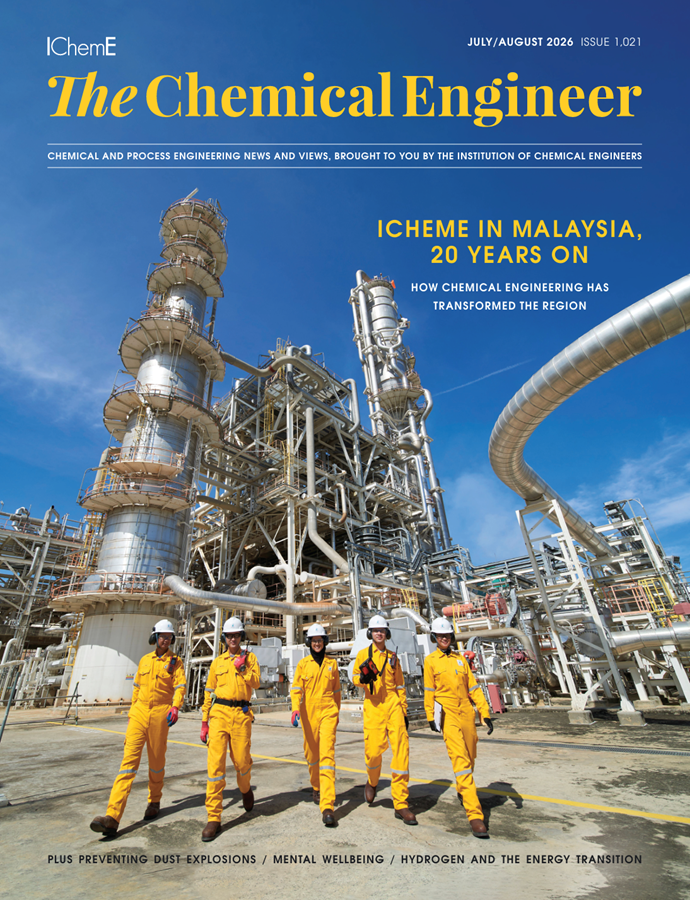
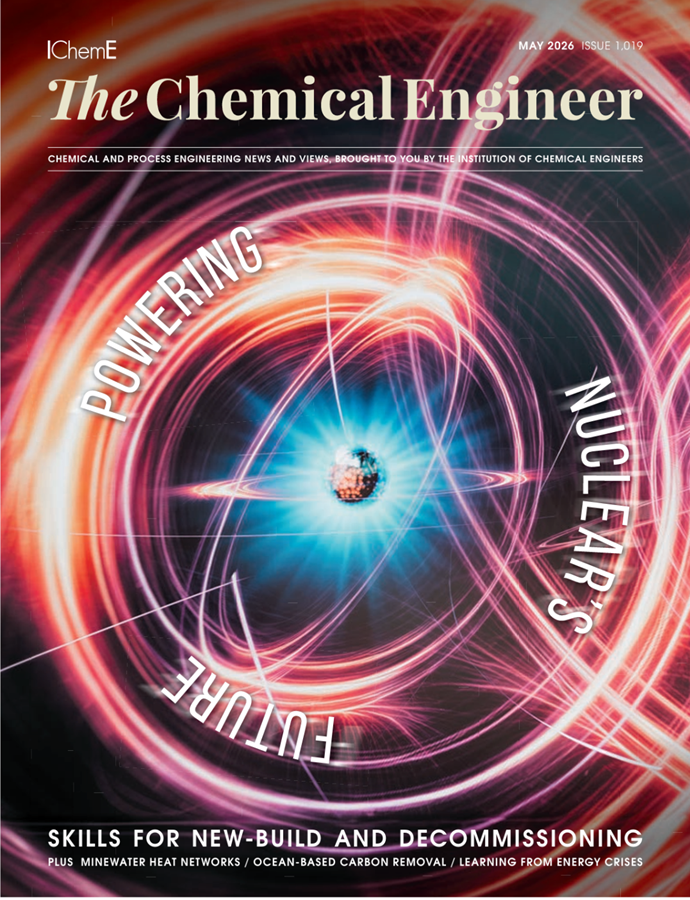
Catch up on the latest news, views and jobs from The Chemical Engineer. Below are the four latest issues. View a wider selection of the archive from within the Magazine section of this site.