2,080 results found

CYBER security is increasingly a central factor in modern risk management in industry.
Type: Feature

Chemical synthesis of a retina, and how it can ‘see’ the world around it
Type: Feature

Innovation is needed to develop systems to identify problems before they occur
Type: Feature


Chemical Engineering in the Kitchen
Visiting the home of the inventor of a novel, continuous process for juicing and straining. Amanda Jasi speaks to Nevin Stewart, inventor of Juice and Strain
Type: Feature

Carbon Capture and Storage: Are We There Yet?
Amanda Doyle travels to Norway on a CCS safari
Type: Feature

Deal or No Deal – Brexit and UK Energy Policy
A look at the the likely impact of a Brexit deal/no deal on the UK’s energy sector
Type: Feature

Andy Brown looks at the options and challenges of moving hydrogen from A to B in bulk
Type: Feature

Follow our latest news coverage during the crucial UN climate conference in Glasgow
Type: News

Engineering Net Zero Part 8: Electricity plus Hydrogen, not Electricity or Hydrogen
David Simmonds concludes his online series with a call for greater systems analysis to develop a credible hybrid plan for net zero energy
Type: Feature

Reducing Emissions from Upstream Oil and Gas
From the reservoir rock that contains the hydrocarbons to the downstream refinery gate, Tom Baxter provides a walk-through of unit operations and equipment, identifying opportunities to save energy at your process facilities
Type: Feature


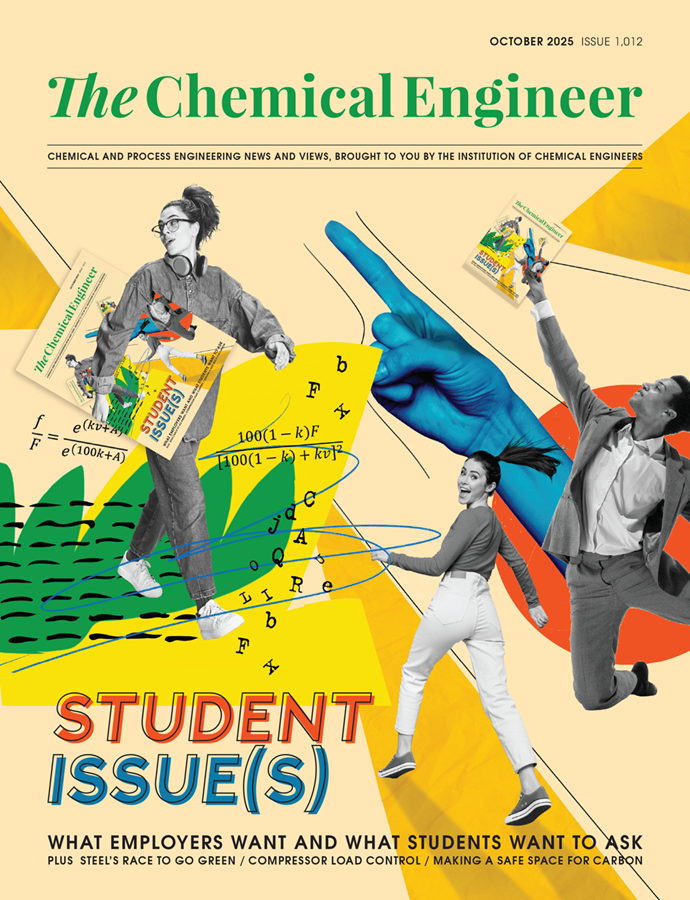
Steel’s New Chapter in the Race to Go Green
As blast furnaces fall silent, new technologies promise a greener future for steel. But as Sam Baker reports, the challenge is as much about people and places as it is about engineering
Type: Feature

Demand for paper is declining - but can the recovery of biomaterials add value to the industry?
Type: Feature

Re-engineering Food Engineering
In the UK alone, the food sector accounts for 19% of total manufacturing turnover and generates a gross value addition of £28bn (US$35bn) to the UK economy, which – according to a recent report published by the Institute of Physics1 – is bigger than the automotive and aerospace industries put together! You might wonder how can the food industry, which is such a key industrial sector within our economy, does without properly trained and qualified food engineers?
Type: Feature

Hybrid Airship: No Roads, No Problem
MORE than two-thirds of the world’s land area and more than half the world’s population have no direct access to paved roads. This lack of infrastructure presents incredible challenges for the resource extraction industries and has left many identified deposits undeveloped, including the Ambler region of Alaska, deposits in sub-Saharan Africa, and regions in the Andes.
Type: Feature

WE ALL know that chemical engineering is the “boundaryless profession”. Our industry improves processes in the oil and gas, pharmaceutical, food and drink, energy, consumer goods, petrochemical, inorganic chemical and plastics industries, and so enhances the lives of billions of people all over the world.
Type: Feature

The universities with standout methods for teaching sustainability
Type: Feature

TWO of the biggest challenges to the chemical engineering profession over the next decade will be the search for truly sustainable feedstocks, and disposing of the ever-increasing quantities of domestic wastewater produced by urban societies.
Type: Feature

Johann Glauber – Alchemy to Modern Chemistry
Alchemy. It’s a word that conjures up images of charlatans and quackery, of quasi-mythical men poring over steaming cauldrons trying to turn lead into gold. It’s an image that is worlds apart from modern chemical engineering, carried out in a sleek contractor’s office, in a modern laboratory or on a heavy industrial site – factual, precise, auditable.
Type: Feature