British Steel is now owned by the public
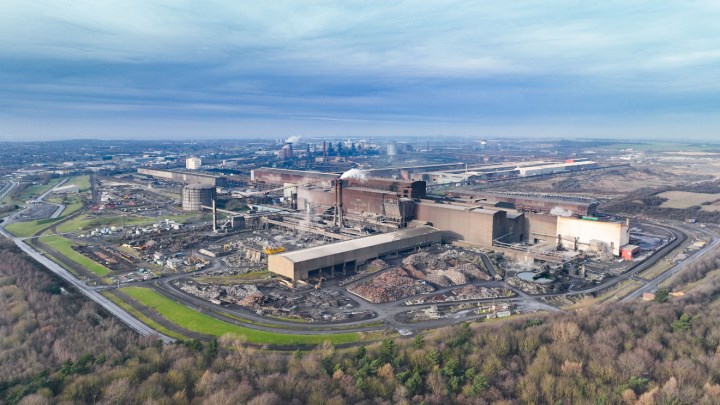
THE UK’s largest primary steel producer, British Steel, has been brought under public ownership by the government in its effort to “protect the UK’s national interest”.
After conversations broke down with the previous owner, Chinese steel company Jingye Group, the government proposed the Steel Industry (Nationalisation) Act to gain authority over British Steel.
The steel plant, which is based in Scunthorpe and supports around 2,700 jobs, has been marred with operational issues and threats of closure over the past few years because of growing steel costs and fierce international competition.
Greater control
Jingye had said that running the plant was too expensive, costing around £700,000 (US$946,000) a day to run. The government took over the operation of British Steel last year, and in March 2026 the National Audit Office confirmed that the government was spending around £1.3m a day on operations.
Nationalising the site gives the government wider control over the long-term plans for the site, which British Steel says will include more government investment in maintaining the site's virgin steelmaking capabilities.
A spokesperson at trade association UK Steel said: “Bringing British Steel into public ownership provides the company with greater financial certainty and stability at a critical time.
“It gives the government the ability to support the company through its transition and provide the investment needed to secure its long-term future, while also providing greater confidence for employees, customers and the wider supply chain.”
Public investment
The government has committed a large amount of investment to the steel industry amid the release of its Steel Strategy this year. This includes £2.5bn of funding and the goal of 50% of steel used in the UK to be made here.
The UK’s steel output has been dwarfed by that of other countries, particularly China, which produced around 1bn t of crude steel in 2023, compared to the UK’s 5.5m t.
To curb economic fallout, steelworks in the UK have turned to more innovative and less energy-intensive forms of steelmaking, most notably the use of electric arc furnaces over typical blast furnaces, which use scrap steel for feedstock instead of raw iron ore. The practice has been used in the UK for decades, but has gained prominence, especially in the case of Tata Steel’s Port Talbot site, as means of reducing greenhouse gas emissions and maintaining a reliable supply of raw material.
Nationalising the steel industry gives further power to the UK on its domestic production, with more input from the government on the stability of supply chains.
Since the public takeover, a board of non-executive directors will now make efforts to maintain the operation of British Steel, working with trade unions and staff on proposals to make the site a “commercially sustainable, low-carbon enterprise”.
Recent Editions
Catch up on the latest news, views and jobs from The Chemical Engineer. Below are the four latest issues. View a wider selection of the archive from within the Magazine section of this site.