RAEng: Culture change needed for inclusion
Survey finds experience varies by gender and ethnicity
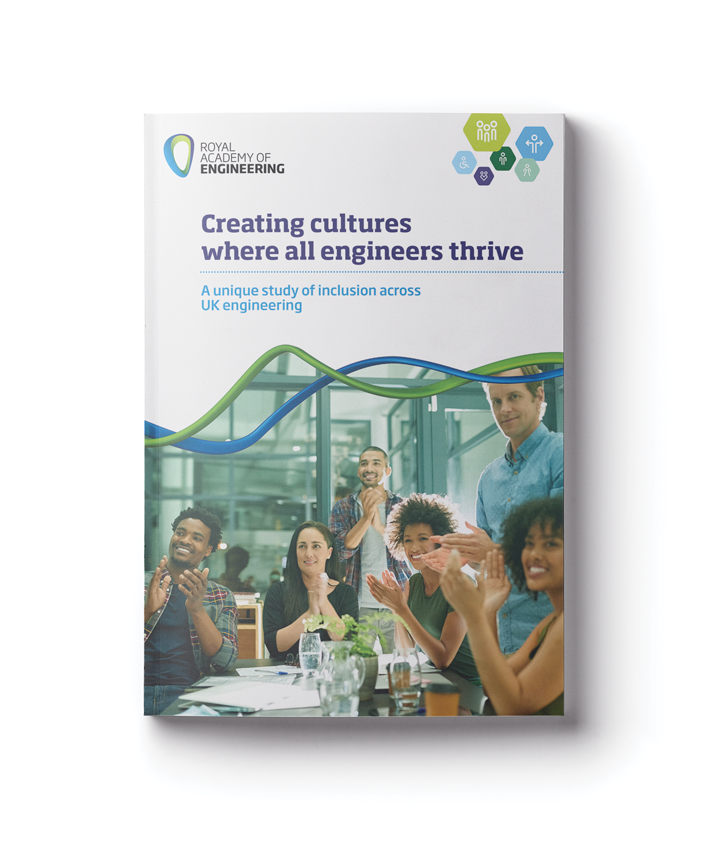
THE engineering profession needs a widespread culture change to improve inclusion in the workplace, according to a new report from the Royal Academy of Engineering (RAEng).
RAEng surveyed more than 7,000 engineers in the UK for the report, called Creating cultures where all engineers thrive, which it says is the first such survey to look at engineering workplace culture. The report found that while 77% of respondents said that they like their job most or all of the time, and 82% would recommend engineering as a career choice, the workplace experience of individual engineers varied according to their gender and ethnicity.
Of those surveyed, 82% of male engineers felt their gender is irrelevant to the way they are perceived at work, compared to just 43% of female engineers. 85% of black and minority ethnic (BAME) engineers were much more likely than their white colleagues (58%) to say that assumptions are made about them based on their ethnicity or nationality. White male engineers are much more likely to say that engineering is inclusive than both female engineers and BAME engineers. In addition, of the 14% of engineers who said they have experienced bullying in the past year, they were more likely to be BAME (22%) or female (25%) than white (18%) or male (17%). Just 34% of BAME engineers felt that the promotion process is fair, compared to 55% of white engineers.
Almost all of those surveyed recognised the benefits of an inclusive culture, with 80% saying that inclusion increases motivation, 68% saying that it increases performance and 52% saying that it increases their commitment to their employer. Some of the main benefits noted include individual engineers being more likely to understand business priorities, being more confident to speak up about mistakes or safety concerns, and being able to see a future for themselves in engineering.
This article is adapted from an earlier online version.
Recent Editions
Catch up on the latest news, views and jobs from The Chemical Engineer. Below are the four latest issues. View a wider selection of the archive from within the Magazine section of this site.