India aims to cut steel emissions by a quarter over next decade
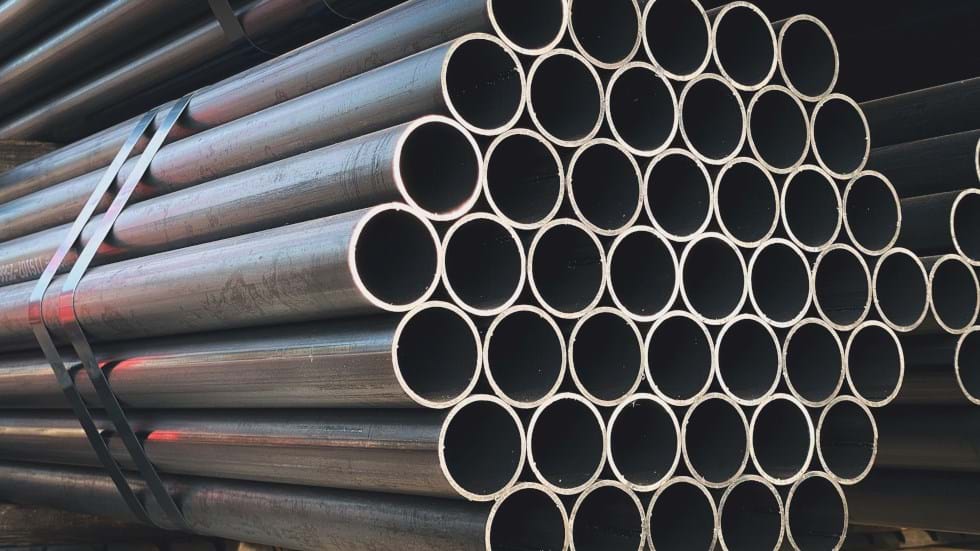
STEELMAKING in India is set for a major shift, with the government pledging to reduce emissions by a quarter over the next decade under a new national strategy.
The country’s proposed National Steel Policy 2025 aims to reduce emissions intensity to 2 tonnes of CO2 per tonne of finished steel by 2035, reports Reuters. India is the world’s second largest steel producer and emitter after China, with average emissions of around 2.7 t of CO2 per tonne of steel.
Gas shift and infrastructure limits
To help meet the target, India is looking to encourage a shift from traditional coal-fired methods to gas-fired steelmaking, offering companies incentives for reducing emissions.
However, India’s capacity for gas-based steelmaking is limited. Only around 21% of blast furnace capacity and 5% of direct reduced iron (DRI) capacity is connected to gas pipeline infrastructure.
The government is now looking to increase its imports of gas to support the transition.
More steel
Despite the ambitious emission-cutting targets, India is also planning to more than double its crude steel capacity to 400m t/y by 2035.
Achieving this would require around 17 trillion rupees (US$183bn) in capital investment.
India is currently pursuing trade and industrial partnerships with several countries, including Australia, Russia and the US as it looks to secure both technology and raw materials.
Last month, researchers from the Indian Institute of Science and Australia’s CSIRO successfully demonstrated that agricultural waste could be used as a partial replacement for coal in steelmaking at commercial scale, highlighting alternative decarbonisation pathways under exploration.
Recent Editions
Catch up on the latest news, views and jobs from The Chemical Engineer. Below are the four latest issues. View a wider selection of the archive from within the Magazine section of this site.