Engineering the Perfect Pitch
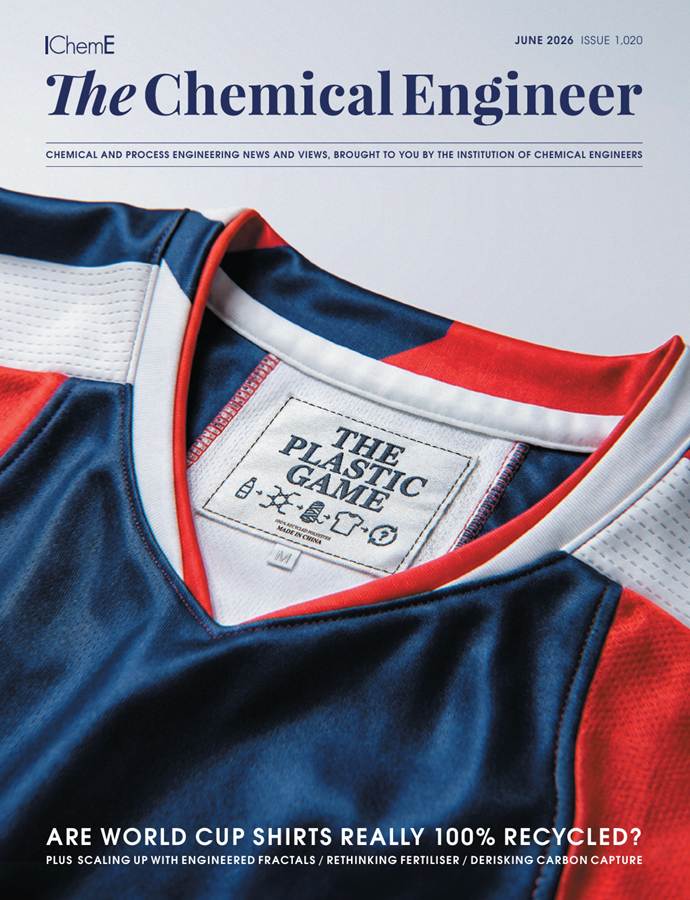
As 48 countries gear up for a summer of football fever, Sam Baker explores the engineering and materials science behind the design of the world-class pitches they will be playing on
Quick read
- Engineered beneath the surface: Elite football pitches rely on carefully designed root zones of sand and organic matter to control drainage, stability and playability
- Consistency is a global challenge: Replicating similar playing conditions across multiple climates and enclosed stadiums requires intensive turf management, chemical controls and grass species selection
- Player safety depends on surface design: Engineers must carefully balance traction and release in the turf to optimise performance while reducing the risk of lower-limb injuries
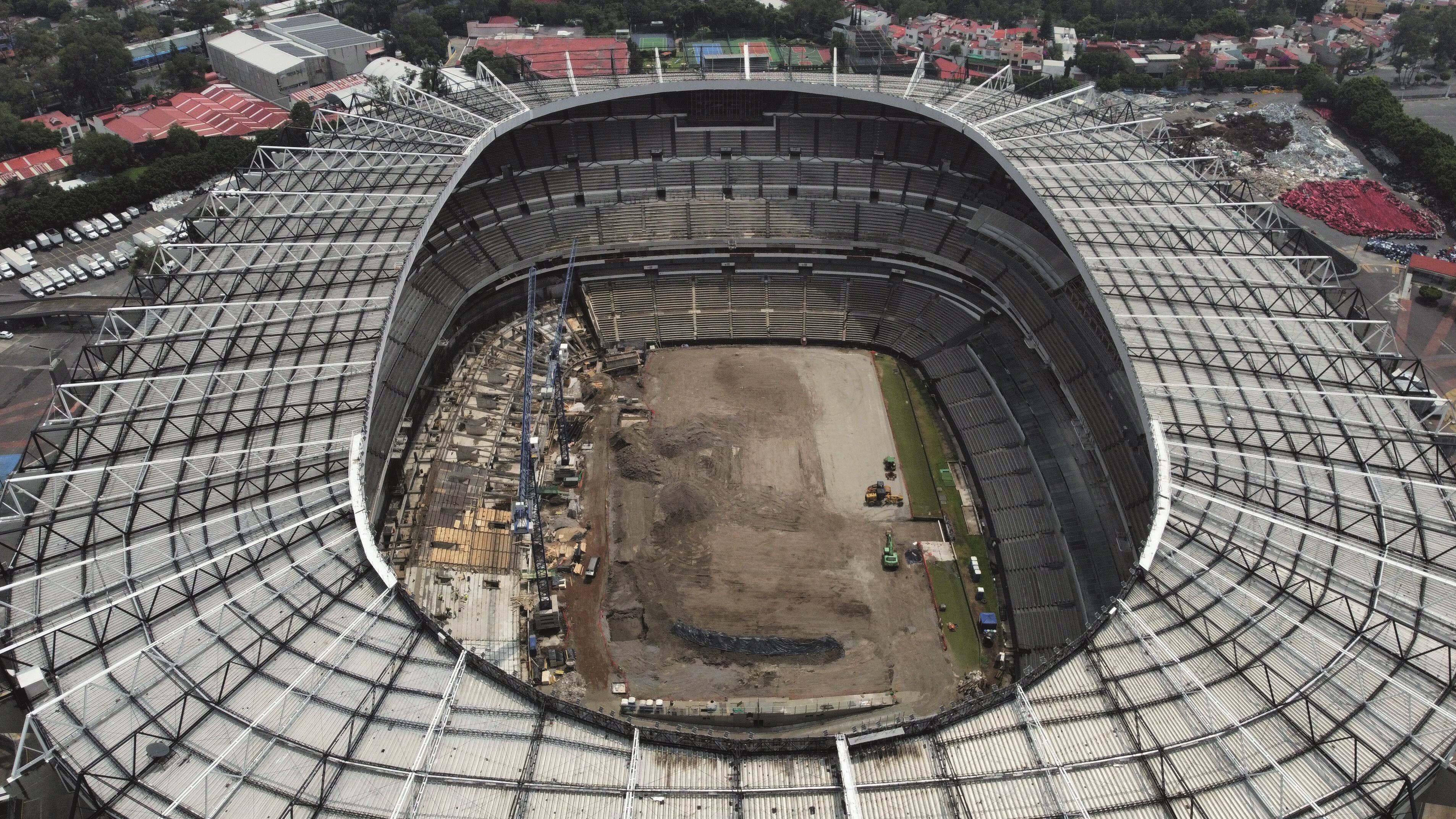
BILLIONS of viewers will be focused on a single stage as the Mexican and South African national men’s football teams step onto the pristine surface of Mexico City Stadium for the opening fixture of this summer’s World Cup. Scott McElroy, a football-crazy turf management professor at Auburn University in Alabama, believes the grass has never been greener for the sport’s premier event.
“It’s a cultural event that we live through every four years,” he says in a distinct southern drawl from his home in Auburn. Event organiser Fifa, he believes, will be at pains to create “the most ideal conditions for the greatest players in the world to come out and represent their countries”.
Traditionally, football isn’t as much of a cultural staple in the US as it is in Europe and South America, but McElroy certainly understands its resonance around the world. His love of the English Football League is clear, waking up at 6am every Saturday to watch the games live, particularly fixtures in the Championship, the division below the Premier League. “It just seems so much more competitive top to bottom,” he says. He even attended a Wrexham FC match in February when he last visited the UK.
While McElroy is not involved with Fifa’s turfgrass operation, he stresses that getting the pitch conditions right for the tournament is critical. “You have high-definition television focused on it. You have these multi-million-dollar players running up and down these fields, these men and women who are worth millions. So, you have this small plot of land that both has to look good and then it has to perform.”
All elite sports surfaces must be able to perform reliably in virtually all weather conditions. Unique to the World Cup, however, is the requirement that pitches remain in consistent condition over a five-week tournament while also replicating, as closely as possible, the playing conditions familiar to teams from diverse regions.
Pitch design influences ball roll, player traction and the interaction between studs and the surface. Achieving consistency across multiple venues is particularly challenging given the variation in climate across host regions – from hot and arid conditions in parts of the southeastern US to the wet, mild climate of Vancouver. This is further complicated by increasingly enclosed stadiums that limit natural light, placing additional stress on turf species.
Growing concern
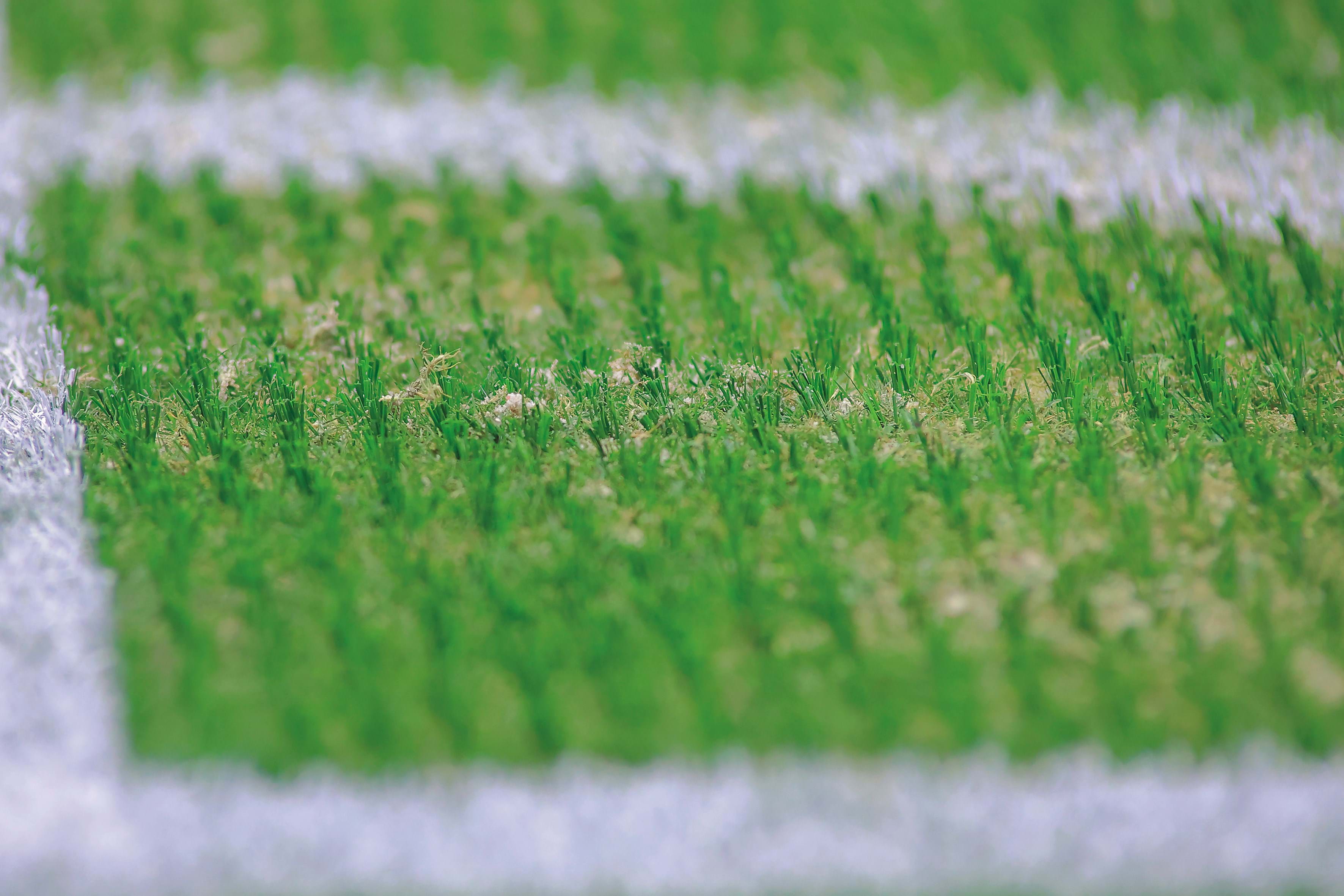
McElroy says the foundation of elite pitch performance is the “constructed root zone” – a manufactured layer of sand and organic matter, typically in an approximately 80:20 ratio, beneath the grass surface. “The turfgrass surface becomes almost secondary” if the root zone is constructed well, he says, adding that this has been central to elite pitch design since the 1980s.
Constructed root zones significantly reduce weed and pest pressure compared with natural soils used in agriculture and horticulture. “You’re dealing with these clean, constructed root zone soils that don’t have weed seed in them,” McElroy says, meaning herbicide and pesticide use is typically far lower than on comparable agricultural land.
Insect pressure is also reduced. “You’re just not going to have mass movement of insects or insects already in the soil.”
However, synthetic chemical inputs remain important in elite pitch preparation. “They’re probably having to use fungicides because you’re in these enclosed stadiums that maybe don’t have a lot of great air movement, and potential humidity buildup.” Plant growth regulators such as abscisic acid or ethylene are used to control growth, particularly in stadiums where an absence of natural light causes grass elongation.
While Fifa is likely to standardise turf species across venues, McElroy suggests ryegrass or Kentucky bluegrass are the most probable choices across all 16 stadiums. Neither species is naturally suited to warmer US climates and require intensive management to persist under those conditions.
Ryegrass is “expected for football”, he says, adding that “players really understand how the ball moves across it”. The feel of the grass is why Fifa can’t just simply use American football surfaces. “The NFL [National Football League] can’t play just on straight ryegrass. I remember watching a game at Wembley several years ago and it was wet and it was just straight ryegrass, and you have these 300-pound guys just slipping all over the field,” he says. “They really need a much stronger root grass like Bermuda grass, or at least a Bermuda grass base that has ryegrass seeded into it so players can get a better grip.”
“You have high-definition television focused on it and these multi-million-pound players running up and down these fields”
Engineering fields
Engineers play a vital role in turfgrass construction, McElroy says. “You’re dealing with a lot of torque and force on those fields, so you’re dealing with engineering principles like how are [studs] going to interact with that surface.”
The balance is critical: too little traction leads to slipping injuries, while excessive grip increases lower-limb injury risk. “Under enough force, something has to give and it needs to be the grass, but it needs to hold to a certain point. If it holds too long that’s how we get lower-limb injuries.”
Modern pitch construction is far more complex than simply growing grass. A typical system consists of a 5 cm-thick engineered root zone placed over a plastic barrier. Grass is seeded into this layer, with roots growing downward until they reach the barrier, forming a reinforced mat. The surface is often cultivated outside the stadium under optimal light conditions before being rolled into place. The plastic layer also prevents deep percolation of water and can be removed after installation. Once the tournament has finished and the grass is no longer required, McElroy says the top layer of the turf will typically be fraze-mowed using high-precision machinery and repurposed, while the root-zone material is recycled.
Less predictable than the quality of the pitches may be the football itself, especially if you’re an England fan. Asked who he expects to win the tournament, McElroy pauses: “I’d like to say the US,” he says, “but I’d really like to say England.”
Recent Editions
Catch up on the latest news, views and jobs from The Chemical Engineer. Below are the four latest issues. View a wider selection of the archive from within the Magazine section of this site.