Bottling it at the World Cup
World Cup kits may use 100% recycled polyester but questions remain over how sustainable the material really is, as Sam Baker finds out
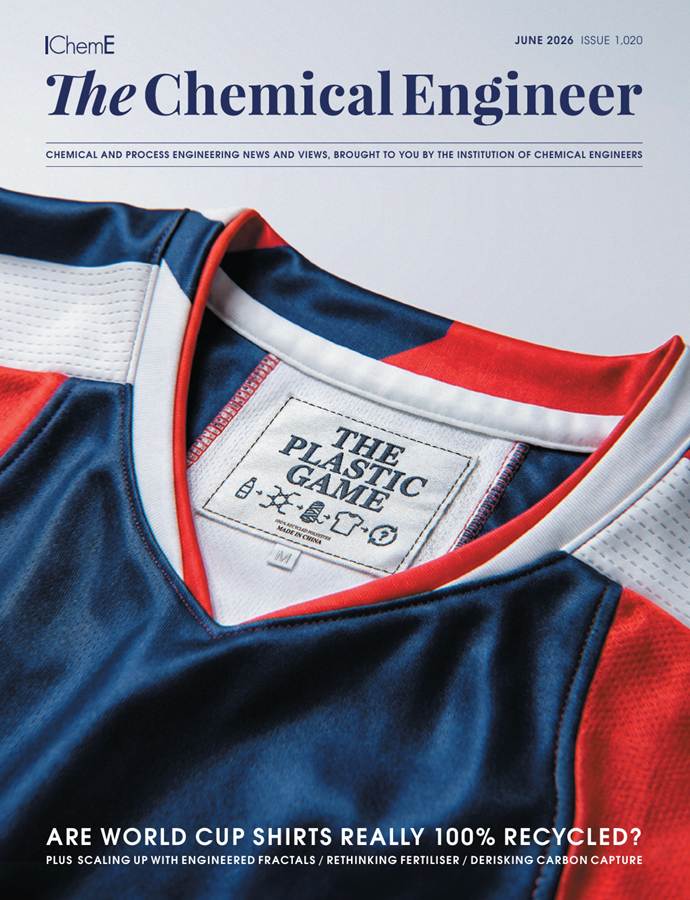
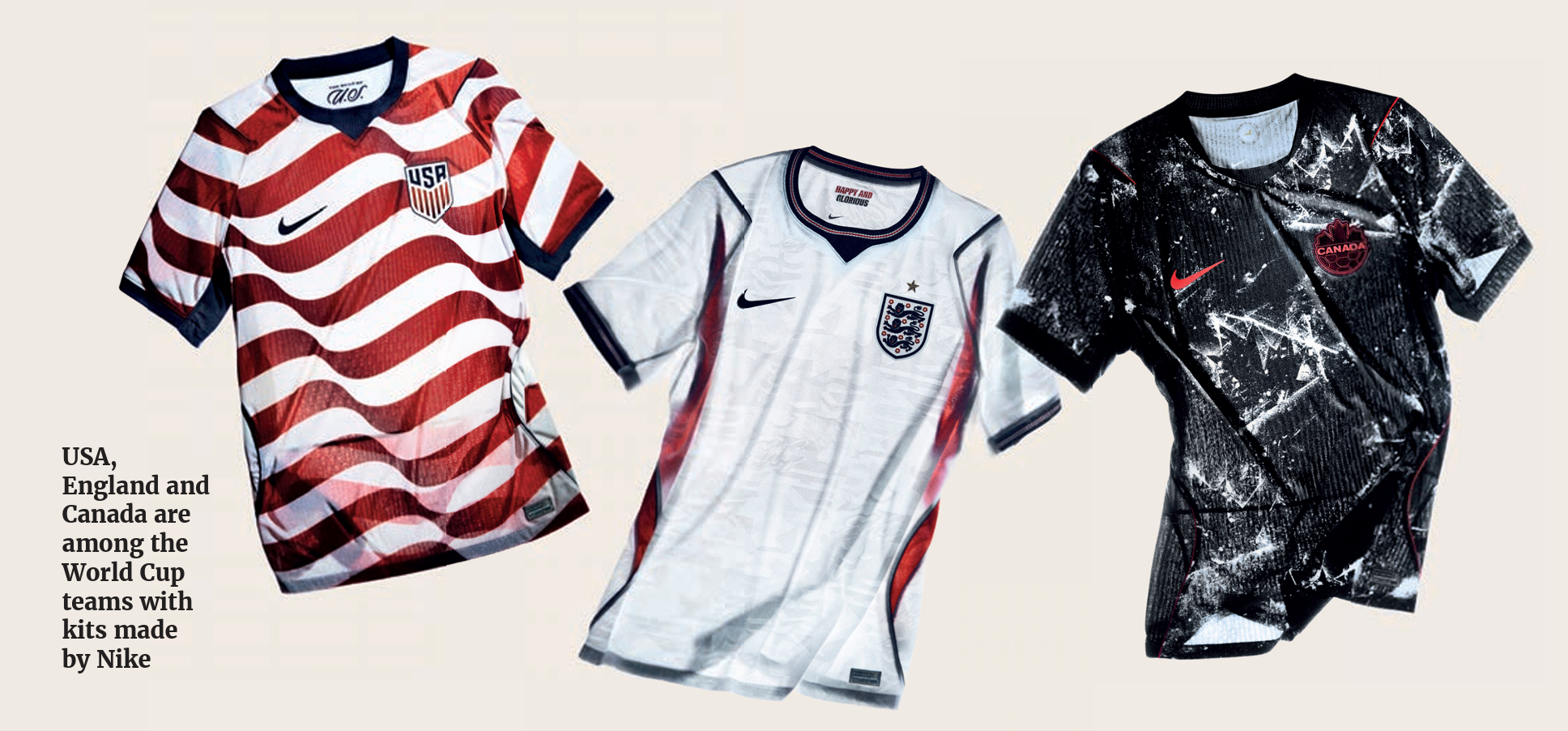
THIS summer’s FIFA men’s World Cup will be the first with 48 teams. It will also be the first in which every competing team wears shirts and shorts made with 100% recycled polyester.
The feedstock is almost certainly plastic bottles. According to the latest Materials Market Report, published by standards body Textile Exchange, 98% of non-virgin polyester textiles in 2024 were made from recycled plastic bottles. The remainder comes from ocean plastic waste, packaging waste, discarded polyester textiles and fabric scraps, with only a tiny proportion from recycling textile fibres.
So-called “bottle-to-textile” recycling has existed for decades and is a common method of making sustainable apparel as most bottles are made entirely from polyester. Previously, bottles often contained polypropylene rings in their caps, but even these are now predominantly polyester. In contrast, textiles are rarely made from a single material.
Even football shirts marketed as 100% polyester are misleading. Dyes, elastane, water-repellent coatings and other additives can account for 5–10% of the total material, according to Jason Hallett, a professor of sustainable chemical technology at Imperial College London.
“What this means is that when you go into the recycling stream, it’s not like the bottle. It’s not pure,” Hallett says.
“Using a plastic bottle to make a shirt is not addressing waste. It’s kicking it down the road to be addressed at some point in the future”
Downcycling or recycling
Recent Editions
Catch up on the latest news, views and jobs from The Chemical Engineer. Below are the four latest issues. View a wider selection of the archive from within the Magazine section of this site.