University of Manchester spinoff commercialises direct lithium extraction technology in the UK
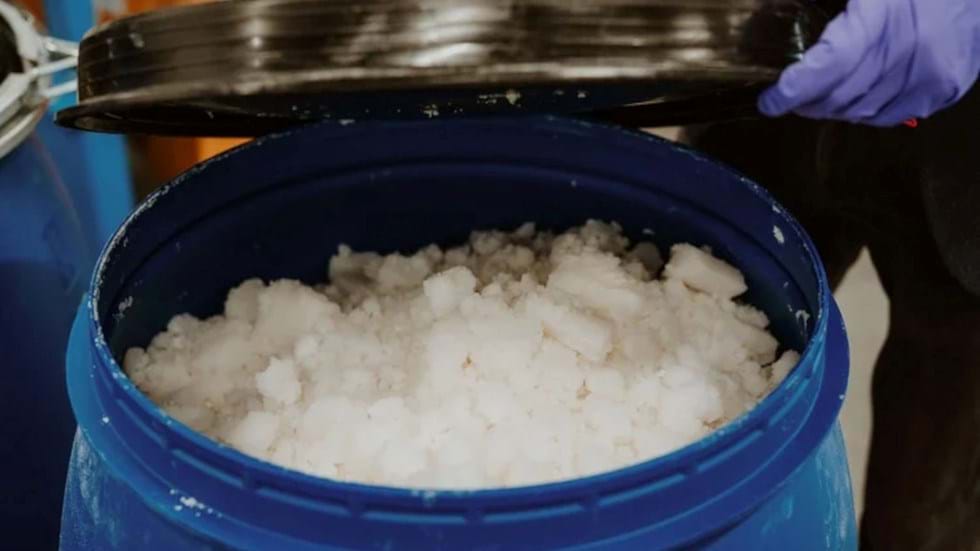
A SPINOFF from the University of Manchester is commissioning a commercial-scale direct lithium extraction (DLE) plant in Runcorn, Cheshire – representing the UK’s first-ever deployment of the technology.
Watercycle Technologies has developed its novel “DLEC” technology, which prioritises the use of recycled wastewater streams to produce lithium carbonate on a continuous basis.
The technology goes beyond the conventional DLE methods of ion-exchange or adsorption, with Watercycle saying it is able to operate on both subsurface brines and industrial wastewater streams, namely from the battery recycling sector.
With the boom in battery manufacturing in the UK, the demand for lithium and other battery materials has increased.
As stated in the Critical Minerals Strategy, the UK aims to produce at least 50,000 t of lithium by 2035, and has committed £50m (US$67m) to “turbocharging” critical mineral projects.
DLEC technology
Watercycle’s technology specialises in selectivity in the extraction, concentration and crystallisation stages – with an aim to produce lithium from a diverse range of water sources, including groundwater, seawater and wastewater.
The company says the system targets a mineral recovery rate of more than 95% and can be used for water purification.
Seb Leaper, CEO of Watercycle, said: “We have spent the last three years perfecting a process that operates on every brine type we have tested, including low-lithium geothermal brines, saturated South American brines and organics-laden industrial wastewaters.”
Current supply
The Runcorn plant currently produces enough lithium carbonate equivalent to support the manufacture of around 50 mid-sized electric vehicles per month, according to Watercycle.
The company expects output to increase significantly in 2026 as it develops and deploys additional modular systems across the UK.
Recent Editions
Catch up on the latest news, views and jobs from The Chemical Engineer. Below are the four latest issues. View a wider selection of the archive from within the Magazine section of this site.