UK to get first graphite recycling plant for battery materials
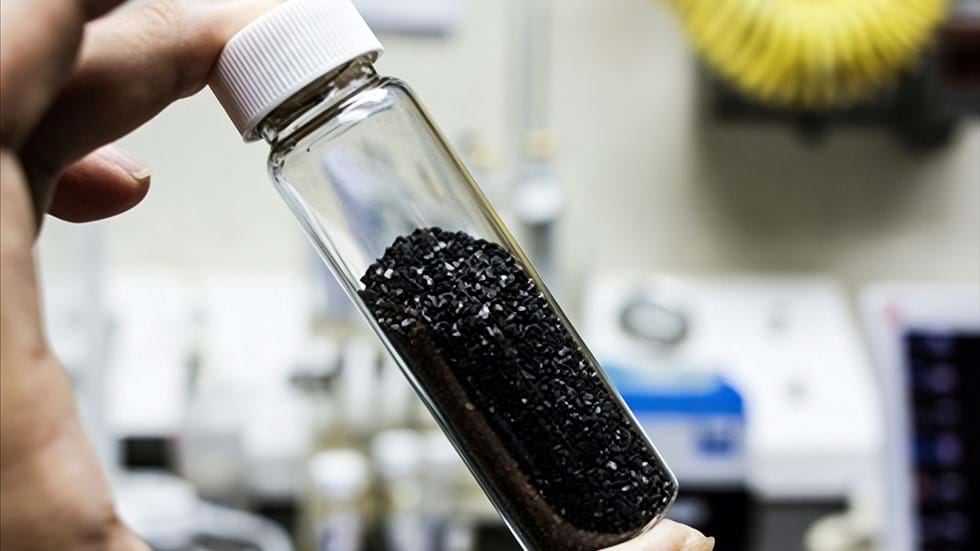
NORTH AMERICAN materials company Orbia is set to open a first-of-its-kind graphite recycling pilot plant in the UK, tapping into the “billion-dollar” recycled graphite market.
Through its subsidiary, Orbia Fluor & Energy Materials (OF&EM), the company has secured a £1.4m (US$1.9m) grant from the UK’s DRIVE35 programme, to develop a pilot facility that will upcycle graphite that is “indistinguishable” from pristine graphite.
Global demand for graphite has surged, with projections suggesting supply could fall short by 2.5m t by 2035.
OF&EM says its recycling technology could develop a more sustainable and less energy-intensive supply of graphite compared with mining and synthetic production.
Recycling graphite
By 2030, there is estimated to be around 260,000 t/y of graphite available through recycling.
OF&EM’s process of recovering, purifying and upcycling graphite includes treating graphite from black mass residue – the powder left over when batteries are shredded – and purifying it with hydrofluoric acid so it meets strict chemical and anode specifications.
The company estimates its recycled graphite could generate up to four times less CO2 than synthetic graphite and up to half as much CO2 than mined natural graphite.
Domestic supply
Like many materials and chemical supply chains around the world, the graphite market has long been dominated by China.
The UK is rapidly scaling its battery manufacturing and nuclear industries, with funding available for developing a domestic graphite supply chain.
DRIVE35 is a £2.5bn programme dedicated to growing the UK’s zero-emissions vehicle market, with research and development areas for fuel cells, batteries and recycling.
John Jaddou, global director of new business development at OF&EM, said: “By leveraging decades of industrial and process expertise in complex fluorine-based chemistries at scale, Orbia is uniquely positioned to demonstrate that graphite recovery can be both technically robust and commercially feasible, laying the groundwork for a future industrial scale facility.”
The company said the pilot plant is expected to begin production by the end of the year.
Recent Editions
Catch up on the latest news, views and jobs from The Chemical Engineer. Below are the four latest issues. View a wider selection of the archive from within the Magazine section of this site.