‘Stand up for what is right,’ Dame Judith Hackitt urges engineers
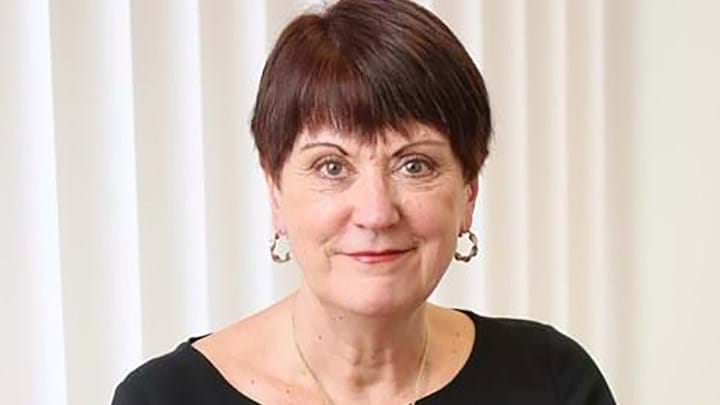
DAME JUDITH Hackitt used a lecture this week to urge engineers to use ethical judgment to “do what is right” to make their designs and procedures safe, even if it means exceeding legal requirements.
Giving the annual Hazards Forum lecture at the Institution of Civil Engineers in London this week, Hackitt, known for chairing the UK public inquiry into building regulations and fire safety following the 2017 Grenfell Tower fire, spoke about the “moral and ethical imperative of all engineers” to consider safety in all stages of a project.
Hackitt, an IChemE Fellow and former president, was inspired by the 1974 Flixborough disaster two years into her undergraduate study at Imperial College London, when an explosion at the Lincolnshire nylon plant killed 28 people. The incident “marked the first time I really recognised the … consequences of getting safety badly wrong in the chemical industry that I was about to join,” Hackittt said. She praised the sector’s collective response at the time, which she believes progressed independently of industrial regulations to prevent a similar accident happening again.
By contrast, Hackitt blamed the construction industry’s “willful non-cooperation” for what she said has been slow progress in improving building safety following the 2017 blaze at Grenfell that killed 72 residents. She told the audience: “Don’t keep waiting for government and regulators to tell you what the rules are before you act" and "stand up for moral and ethical good practice in your profession".
Following Hackitt’s review, the Building Safety Act was passed in 2022 and a new building safety regulator was established. However, many high-rise buildings still await replacement of dangerous cladding – the cause of the Grenfell fire’s devastating spread.
The “first major ethical dilemma” in Hackitt’s career came when she was an operations manager at a water-based speciality chemicals company. On one occasion, an operator sustained a severe injury after being hit in the face by a scaffold pole they’d used to unblock a rotating drum. The injury “could have been much worse” and use of the scaffold pole was common practice, which Hackitt confirmed in her incident report submitted to regulators. However, a manager questioned whether it was “right to admit in writing that the unsafe procedure had occurred” and asked her to “think again”, which she refused. The company was subsequently prosecuted over the safety breach.
Hackitt also stressed that investigators need to understand the “real route causes” of incidents and not just the technical faults that caused them. As chair of the GB Health and Safety Executive from 2007-2016, “I don’t recall a time when I saw something new,” she said. Instead “I saw the same accidents being repeated”. In her Grenfell review, Hackitt found “systemic and cultural failures just about everywhere I looked” and that “no one felt a sense of responsibility to call out bad practices”.
There were similar route causes of the 2005 Buncefield oil terminal explosion, she added, when “nobody cared” when operators raised concerns about oil storage instruments.
Recent Editions
Catch up on the latest news, views and jobs from The Chemical Engineer. Below are the four latest issues. View a wider selection of the archive from within the Magazine section of this site.