Regulator rebukes South East Water bosses over ‘sub-optimal’ treatment works
BOSSES at South East Water (SEW) have been recalled to parliament after giving evidence to MPs that contradicted critical findings by the UK’s drinking water regulator last week.
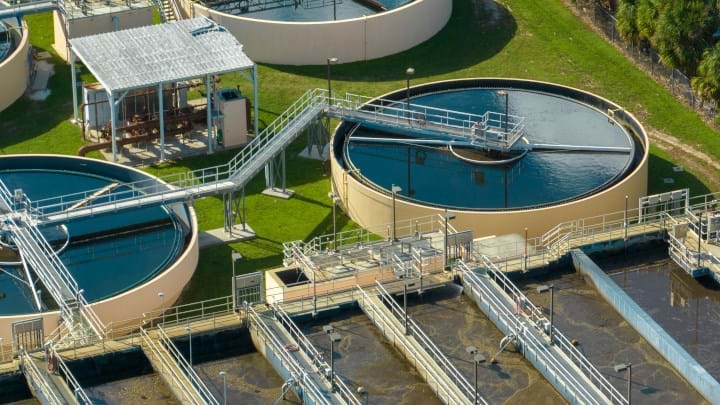
The recall follows two separate supply failures in Tunbridge Wells over the past two months. Drinking Water Inspectorate (DWI) chief Marcus Rink told a committee of MPs last week that SEW’s Pembury water treatment works had been operating “sub-optimally” for months. Failures at Pembury resulted in 24,000 customers losing their supply for two weeks in November and December, including two hospitals, 15 schools, 19 care homes, 29 nurseries and a kidney treatment centre.
Separately, 25,000 households in Tunbridge Wells are now in the second week of another outage, after a series of bursts led to critically low levels in storage tanks. SEW says the bursts were caused by thawing as a result of cold weather. On Friday, the company said that the Pembury works is operating at full capacity.
Rink told the committee that last month’s outage “should not have been a surprise”. DWI process scientists found “clear evidence” of poor filter performance and “inadequate” coagulation management – an early stage in treatment where chemical additives are used to aggregate suspended solids.
Rink said that SEW was effectively “flying blind” because the works lacked electronic monitoring of coagulation, meaning operators could not respond to changes in water flow that affect coagulant concentration.
The DWI found that rather than stimulating coagulation, aluminium from the coagulant was forming a solution and being caught in the granular activated carbon filters. It was then removed from the filters during backwashing, causing the washwater tank to fill more quickly and reducing the effectiveness of subsequent washes. Ultimately, treated water fell below quality standards and supply was cut between late November and mid-December.
In the same hearing, CEO David Hinton blamed the failure on changes in water pH and alkalinity, rendering their existing coagulant ineffective, arguing that the problem was not “foreseeable”. Hinton said he believed the chemistry changed due to reduced groundwater levels and said supply was stretched by more people working from home since Covid. However, this was refuted by Rink who said there was “nothing unusual” about the water chemistry.
This contradiction prompted committee chair Alistair Carmichael to write to both Hinton and SEW chair Chris Train, asking them to address Rink’s testimony. After Train submitted a response that corroborated Hinton’s evidence, Carmichael recalled both executives to parliament to address “significant concerns about the evidence”.
In a letter published yesterday, Carmichael said: “My colleagues and I remain deeply sceptical about the company’s version of events to date, and its board’s track record of holding the company to account”.
Train promised a “rapid in-depth review” led by a non-executive director and supported by a senior SEW director. Carmichael accused the company of attempting to “mark their own homework” and to “buy themselves time, to hunker down until this storm blows over”.
Carmichael plans to hold the next hearing after the current outage has been resolved.
Disagreements on coagulation
SEW and the DWI agree that the Pembury outage was caused by coagulation failures. The company began using a high sulphate coagulant around two weeks after the outage began which returned treated water quality to acceptable standards.
However, Rink said the original coagulant would have been sufficient had the treatment works been better managed. The DWI had previously advised the company to carry out routine testing to ensure the coagulant was working effectively on the source water, but the test scheduled for October was missed because a scientist was ill.
Rink also said that coagulation issues could have been undetected because Pembury did not have a dedicated on-site control room and the works was staffed for only eight hours a day from Monday to Friday. SEW said they believe continuous staffing would not have made a difference, adding that it operates a central control room staffed 24/7, which monitors all its water treatment works via telemetry.
Recent Editions
Catch up on the latest news, views and jobs from The Chemical Engineer. Below are the four latest issues. View a wider selection of the archive from within the Magazine section of this site.