Quebec LNG proposals criticised as developers seek investment
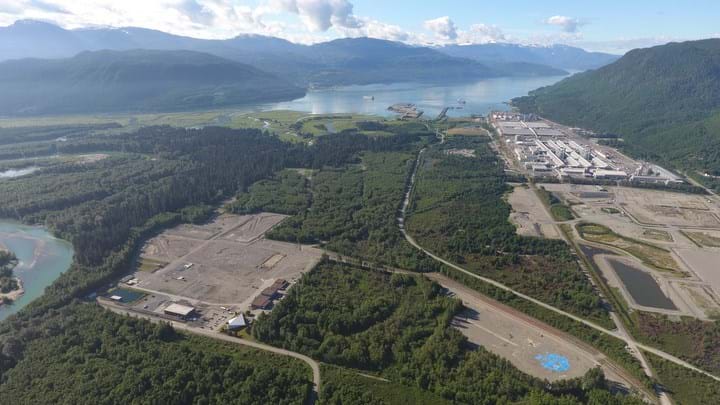
PROPOSALS for a major new liquified natural gas (LNG) plant and pipeline in Quebec, Canada, have been met with opposition from environmentalists and an indigenous leader amid early-stage discussions with potential investors and customers.
Quebec-based Kino Aski Inc and Norwegian energy company Marinvest announced their $23bn plans last month. The proposals include three new renewables-powered floating liquefaction plants in Baie-Comeau on the north shore of Quebec that will produce 15m t/y of LNG to be shipped to Europe. Natural gas will be transported from fields in western Canada to northern Ontario via existing pipelines, while 1,000 km of new pipeline will transport it to Quebec.
The developers are understood to be seeking early-stage financing and to form commercial partnerships, and signed an agreement earlier this month with Ukraine’s largest state-owned gas company Naftogaz to assess possible LNG supply to the country. The Kino Aski project was also included in the first Canada Investment Summit, hosted by prime minister Mark Carney in Toronto on 14-15 September, according to the prospectus seen by TCE.
However, Kino Aski has not yet begun the formal regulatory process for the project, meaning detailed information, such as environmental impact reports, is not publicly available, leading environmental campaigners to criticise its inclusion at the summit. Alice-Anne Simard, executive director at Nature Quebec, accused the federal government of keeping people “in the dark while the project moves forward behind the scenes”, and that people “have the right to know what is being planned on Quebec soil before decisions are made”.
Louis Couillard, a campaigner at Greenpeace Canada, said it was a “disgrace” that the project was included at the summit.
A spokesperson for Invest in Canada, the body that organised the summit, said they could not comment on individual projects included in the prospectus, but stressed: “The inclusion of a project in the prospectus and any discussions with potential investors do not predetermine the outcome of environmental assessments, regulatory reviews, indigenous consultation processes or any other required reviews. More broadly, consultation requirements are determined based on the specific circumstances of each project and the applicable legal and regulatory frameworks.”
Announcing the plans to host the summit in April, Carney said he aimed to attract $1tn of foreign investment amid his ongoing efforts to reduce Canada’s dependence on US trade and make the country an “energy superpower”. The prospectus included 10 other oil and gas-based projects, including the C$35bn West Coast oil pipeline, and 31 clean energy projects, including a $10.6bn green ammonia project and $44bn offshore wind plans.
Kino Aski was one of just two oil and gas projects in the pre-application stage. Professors across environmental science, physics and energy governance argued in Corporate Knights that by including the Kino Aski project in the investment summit, the government had given the project “visibility and credibility, making independent due diligence even more critical”.
Although Kino Aski Inc, which owns 51% of the LNG project, describes itself as “led by First Nations” and counts the Atikamekw Nation grand chief Constant Awashish as a director, the plans have been criticised by another indigenous group. Members of the Anishinaabe Nation of Lac Simon said the project “lacks both community consent and social acceptability”, Quebec-based Le Devoir reported. The nation’s council chief Lucien Wabanonik added in an interview with the newspaper it would be “surprising” if other First Nations groups did not oppose the Kino Aski project after previous major LNG plans in Quebec were scrapped in 2021 following strong local opposition.
Kino Aski was approached for comment.
Recent Editions
Catch up on the latest news, views and jobs from The Chemical Engineer. Below are the four latest issues. View a wider selection of the archive from within the Magazine section of this site.