Fluor returns to Venezuela 20 years after last major project
Engineering contracting giant Fluor has announced a new partnership in Venezuela, marking a return to the country after 20 years without a major presence there.
The move comes nearly a year after the US military captured former Venezuelan president Nicolás Maduro, opening up the country’s vast oil reserves to international corporations.
Under a memorandum of understanding with Venezuela-based engineering, procurement and construction (EPC) management company Inelectra, US-based Fluor said it would help develop a “locally anchored platform” in the country “to support the increasing investment by international energy companies”.
Pierre Bechelany, Fluor’s head of energy solutions, added: “By combining both our companies’ local and global capabilities, we will deliver critical projects that support long-term economic growth throughout Venezuela.”
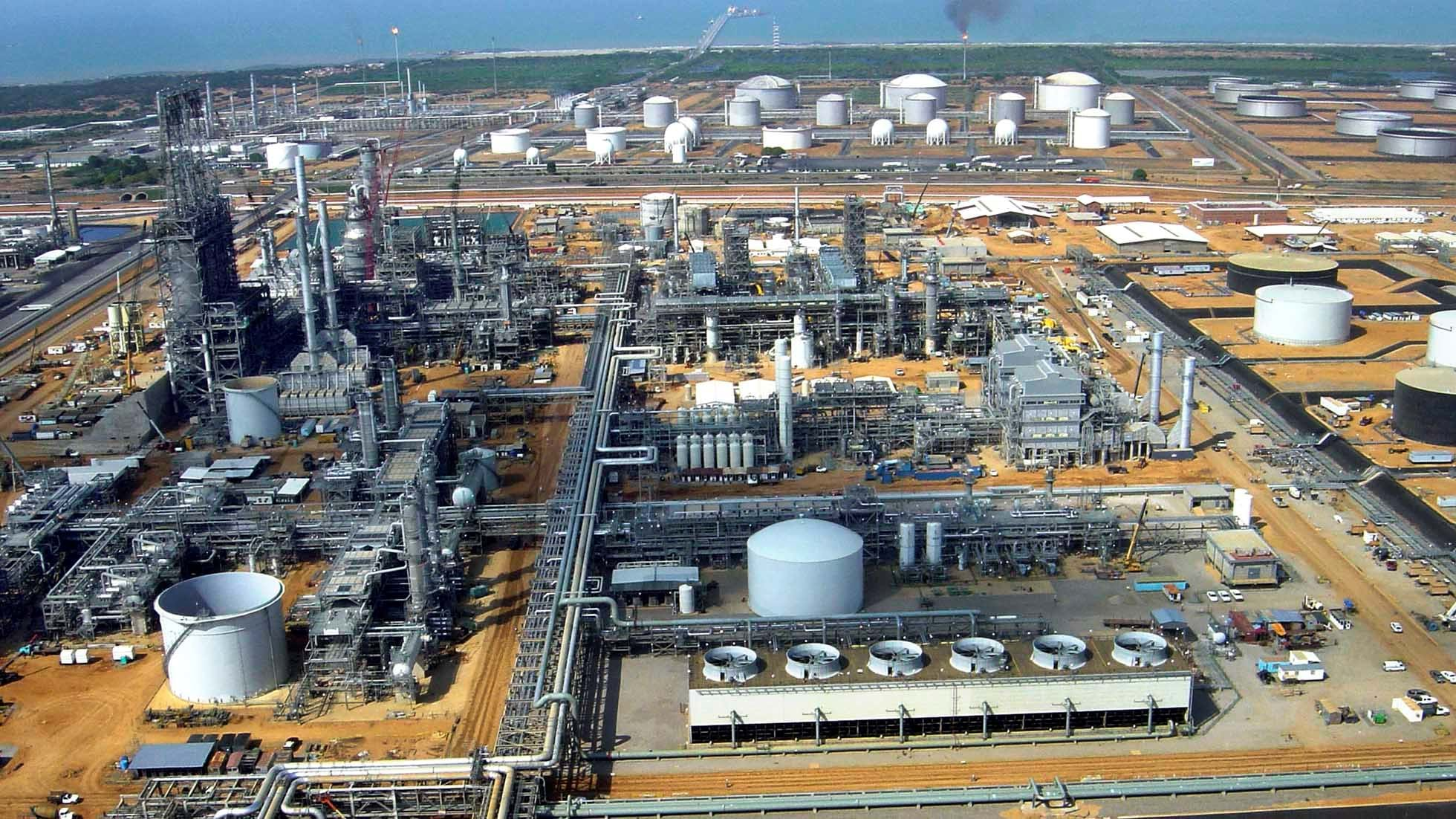
Fluor first entered the Venezuelan oil industry in 1982, when it designed what was then the world’s largest upgrader of crude refinery residues. However, the company has not had a major engineering presence in the country since around 2004, when it pursued legal action against a client for whom it designed a $1bn crude upgrader.
The upgrader, a plant that turns extra-heavy crude into a synthetic liquid that can be pumped through pipelines, was completed in 2004 by a joint venture majority owned by Fluor and supported by Inelectra, which the companies said would have had capacity to upgrade 190,000 bbl/d. But a dispute over soil remediation prompted Fluor to seek a claim of $159m from its client, a consortium made up of Venezuelan state oil company PDVSA and US majors Chevron and ConocoPhillips.
Fluor also claimed $210m over changes to labour laws during the period in which the upgrader was constructed, while pursuing other arbitration over the impacts of several “force majeure incidents” in 2003, including a general strike.
The 2000s saw increasing nationalisation of Venezuela’s oil assets under Maduro’s predecessor Hugo Chávez, prompting most international companies to exit the country. The period is often associated with a collapse in the country’s oil industry, falling to production of 1m bbl/d today compared to 3.5m bbl/d in the 1960s and 1970s. Proven reserves remain among the highest in the world, although Venezuela’s relatively deep extra-heavy crude is technically challenging to extract and transport.
Shortly after the US military operation, acting Venezuelan president Delcy Rodríguez passed new laws allowing private companies to control the production and sale of oil, a right previously only afforded to PDVSA. Since then, Eni has signed a 25-year production participation contract with PDVSA, and Chevron, the only international company in Venezuela during Maduro’s regime, has announced it will invest $7bn in expanding its operations.
Recent Editions
Catch up on the latest news, views and jobs from The Chemical Engineer. Below are the four latest issues. View a wider selection of the archive from within the Magazine section of this site.