Canada plugs ‘major source’ of methane emissions from oil and gas field leak
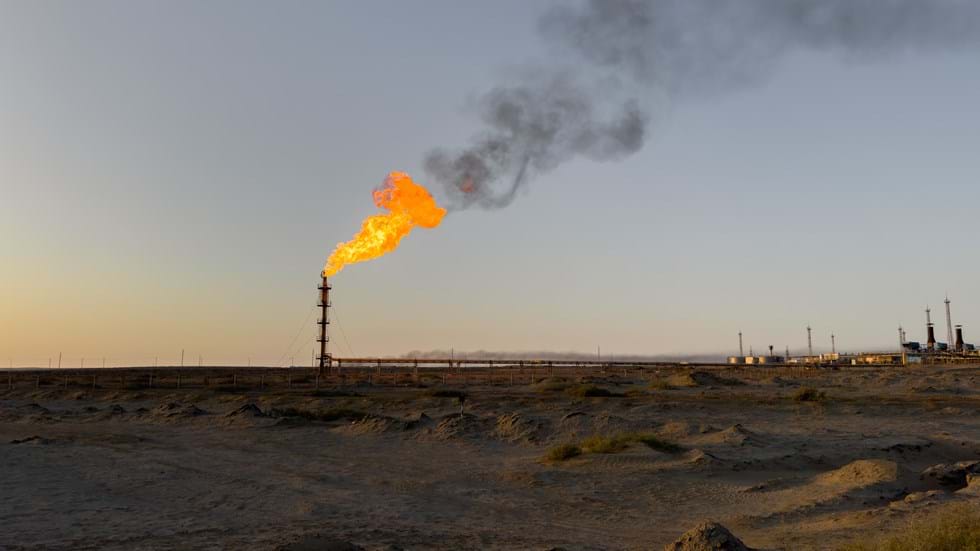
A “MAJOR SOURCE” of methane emissions leaking from an oil and gas field in Alberta, Canada has been plugged according to the UN Environment Programme (UNEP).
In its monthly snapshot of the biggest methane plumes recorded by satellites in August, the UNEP confirmed operators had plugged a source of methane that emitted 175 t of methane (4,900 tCO2e) in a single week in April. The mitigation followed an alert issued as part of the UNEP’s Methane Alert and Response System (MARS), the first time a Canadian site has been notified since the programme’s launch in 2023.
The UNEP said operators fixed the leak by repairing a failed ball valve connected to some pigging equipment. The coordinates of the emissions place the site in the Aerial oil and gas field in southeastern Alberta. The UNEP does not name suspected or known operators of sites where it has recorded methane emissions.
Operators completed the repair work one week after the methane plume was first detected. While some methane leaks are repaired immediately after receiving a MARS alert, often it can take 1-8 months and sometimes over a year.
The repair work came amid Canada’s ambitions to increase Alberta oil and gas production while at the same time aiming to make the industry cleaner by reducing methane emissions and scaling up carbon capture and storage. However, the government has faced criticism over its decision to delay a previous target of reducing methane emissions from oil and gas production by five years.
Clouds over Mexico, ‘breakthrough’ in Turkmenistan
The UNEP snapshot also reported an offshore oil and gas facility in Mexico as the source of the largest methane plume in the world that month. The facility releases an estimated 164,854 t/y of methane (4.6m tCO2e/y), the UNEP said, and satellites have measured 122 plumes from the site since 2021. Its estimated annual emissions are more than double the second largest emitter, a gas disposal facility in Turkmenistan.
The latest plume measured at the Mexican site, recorded in early August, emitted over 33 t of methane per hour. Last April, a plume was recorded at nearly 80 t per hour. The UNEP confirmed it has received a response to its MARS alert but did not name the operator. The coordinates of the methane source place it in the Bay of Campeche making it likely to be owned by state-owned oil company PEMEX, who did not respond to a request for comment from TCE.
Meanwhile, MARS programme manager Meghan Demeter told the Guardian that Turkmenistan, a known hotspot for methane emissions from its aging oil and gas infrastructure, has made a “breakthrough” in plugging its major leaks, saying the eight examples of mitigation of sources across the country were “an incredible first step”. However, Demeter stressed that “it is not yet a breakthrough in the overall magnitude of emissions”. Since 2023, MARS has sent over 3,500 alerts to operators of sites releasing methane plumes, but has confirmed just 43 mitigation cases.
Recent Editions
Catch up on the latest news, views and jobs from The Chemical Engineer. Below are the four latest issues. View a wider selection of the archive from within the Magazine section of this site.