UN satellite programme curbs more than 40 methane ‘super-emitters’ since 2023
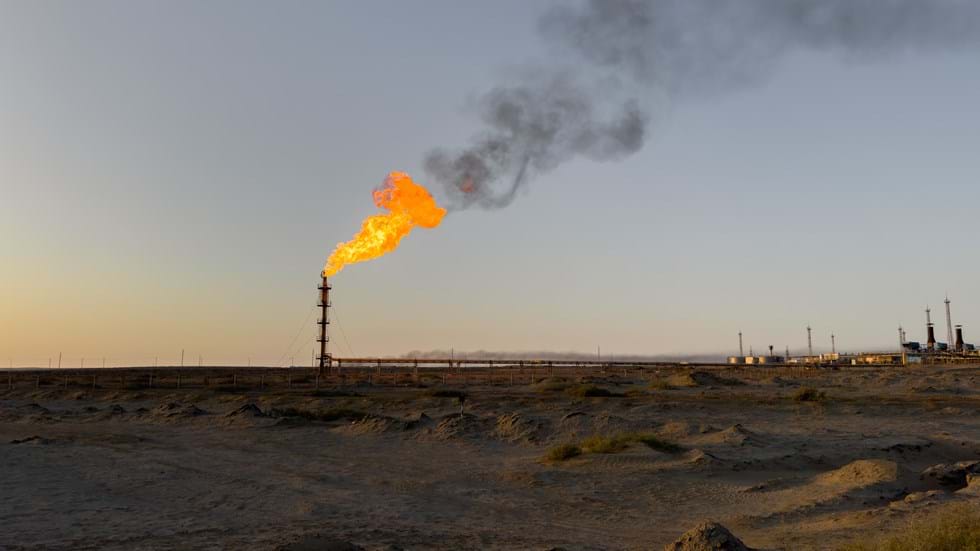
A SATELLITE-BASED monitoring system run by the United Nations Environment Programme (UNEP) has helped stop 41 methane “super-emitters” since launching in 2023.
The Methane Alert and Response System (MARS) uses data from 35 satellite instruments to identify large methane plumes and alert facility operators. Across 11 countries, the 41 sources that have ceased emissions had released an estimated 1.2m t of methane since early 2023, equivalent to around 33.6m tCO2e.
According to UNEP’s latest analysis, six significant sources of methane have stopped emitting in 2026 following MARS alerts, including three in Turkmenistan, a known hotspot for methane super-emissions, and one each in Libya, Iraq and Kazakhstan.
MARS alerts to date have only applied to methane sources linked to oil and gas facilities, although the UNEP this week announced an expansion to the programme to include the coal and waste sectors. The six sources mitigated this year have released 2.2m tCO2e since 2023. They included tank battery and pipeline leaks, while two sources were from venting at gas wells where flaring could not be sustained because of high water content in the gas system.
The largest source mitigated this year was a flare in Iraq, where operators diverted gas production to a newer facility. The flare had released an estimated 1.7m tCO2e since 2023. The source appears to have been at a facility in the Zubair oil and gas field near Basra. Lead operator Eni did not confirm they had closed off this specific source but said it is currently running a leak detection and repair campaign at Zubair and is working with UNEP to reduce methane emissions.
MARS programme manager Meghan Demeter warned that the emissions detected from satellites are “just the tip of the iceberg”.
“Satellites shine a light on the big mitigation opportunities, where governments and companies could act first for rapid impact. But real, system-wide progress on methane depends on comprehensive action, including better measurements and reporting.”
Global hotspots
The analysis also revealed the locations of the largest methane emissions worldwide. Of the top 50, 17 were likely from oil and gas facilities, 11 of which were in Turkmenistan. A further 22 were associated with thermal or metallurgical coal sites, 19 of which were in China, while 11 were linked to waste facilities.
UNEP said the largest source was likely a landfill site in Chile, estimated to release 2.87m tCO2e annually. The source’s coordinates place it very close to the Loma Los Colorados landfill site operated by a subsidiary of Spanish environmental services provider Urbaser Group. UNEP did not confirm the operator and Urbaser did not respond to a request for comment.
Response rates
UNEP also monitors response rates to MARS alerts. A higher rate corresponds to a greater level of action, while a low rate means an operator may have acknowledged an alert but not acted upon it.
In 2025, the US was alerted to 350 sources of methane emissions – more than any other country – but had the lowest response rate at 2%. Turkmenistan, meanwhile, had a 21% response rate, while Argentina, Mexico and Brazil each achieved 100%.
Recent Editions
Catch up on the latest news, views and jobs from The Chemical Engineer. Below are the four latest issues. View a wider selection of the archive from within the Magazine section of this site.