‘World-first’ plant converting plastic waste to SAF opens in UK
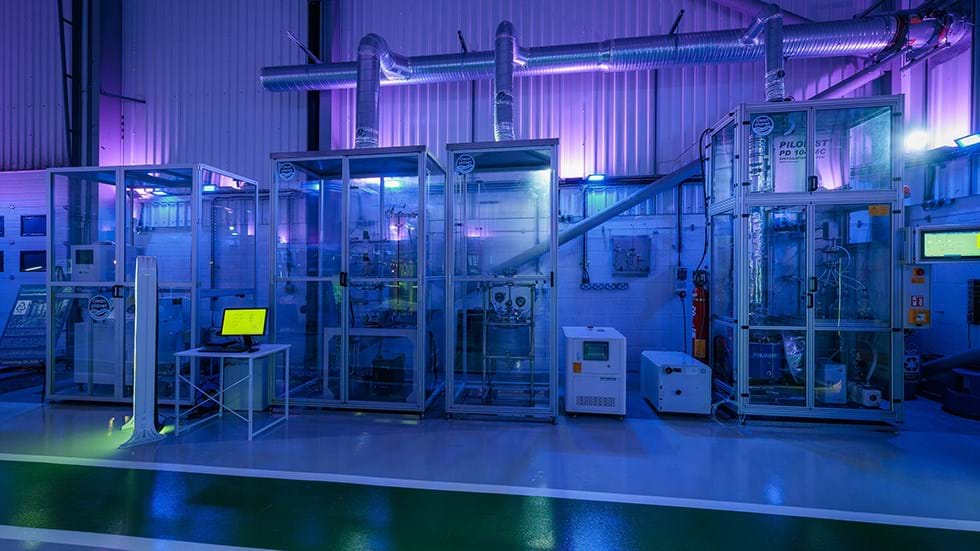
A PILOT plant converting waste plastic into sustainable aviation fuel (SAF) has opened in Kent, UK, and is claimed to be the first of its kind in the world.
Clean Planet Technologies plans to produce synthetic crude oil through pyrolysis of hard-to-recycle plastic waste, which they will then refine into jet fuel.
The pilot plant includes a pyrolysis unit with capacity to process 1 t/d of plastic input. The plant is designed to a maximum capacity of 200 t/y on input. A second-generation unit is due to be commissioned in August 2026 with a capacity of 10 kg per batch. The second, smaller unit will also enable plastics-to-hydrogen and plastics-to-monomers applications.
Clean Planet Technologies says lifecycle emissions for its SAF will be around 70% lower than conventional jet fuel and will be designed to meet American Society for Testing and Materials specifications. Aviation contributes approximately 2–3% of global greenhouse gas emissions and is expected to rise as demand for air travel increases.
The company added that it is developing plans for commercial-scale plants, although it has not set a date for the first commercial facility.
Many recently announced SAF projects rely on bio-based feedstocks such as sewage or agricultural waste. CEO Bertie Stephens said Clean Planet’s pilot plant “opens up new ways to make sustainable aviation fuel, just as existing feedstocks such as energy crops are becoming harder to secure”.
Fractions of pyrolysis oil made from plastic can contain high concentrations of olefins, oxygen, unsaturated compounds, nitrogen, sulfur, halogens, metals and wax. Clean Planet Technologies will further upgrade the jet fuel through hydro-cracking and hydro-isomerisation to remove impurities.
The company added that its process aims to produce “ultra-clean, ultra-low sulfur” hydroprocessed oil from plastic waste, although such claims have yet to be widely demonstrated at scale.
The lack of commercial technology capable of recycling different types of plastic means that around 80% of plastic waste in the UK is either incinerated, sent to landfill or ends up in the ocean. Andrew Odjo, CTO at Clean Planet Technologies, said: “Our pilot facility will demonstrate this waste can be turned into a premium product with a quantifiable commercial demand, as well as reducing the lifecycle carbon footprint of the aviation industry”.
Recent Editions
Catch up on the latest news, views and jobs from The Chemical Engineer. Below are the four latest issues. View a wider selection of the archive from within the Magazine section of this site.