Romania starts shutting down sole nuclear power station over drought
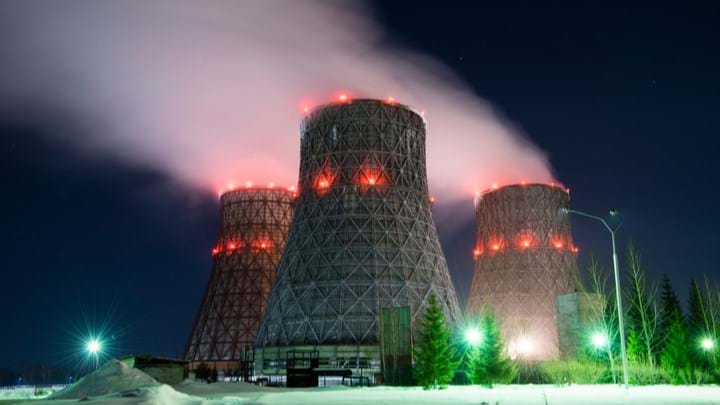
EXTREME WEATHER has sent the European energy sector into uncertainty, with Romania beginning to shut down its only nuclear power station due to drought.
Nuclearelectrica, Romania’s state-owned nuclear energy company, has begun disconnecting its power station from the grid due to the River Danube experiencing record low water levels.
Nuclear power stations need a vast amount of water for cooling when in operation, and prolonged drought and high temperatures have made it too dangerous for the station to operate.
Nuclearelectrica’s site has 706-megawatt reactors in Cernavodă on the Danube, accounting for a fifth of the country’s power output. One of the reactors was forced to shut down in July due to the drought.
Romania had already taken several unprecedented measures to try and keep the power station running, including sinking rock-filled barges in the Danube to redirect flows to around the riverbed.
Since the drought, Romania has declared a state of energy emergency and urged companies and households to reduce power consumption at peak hours. The shutdown of Nuclearlectrica has already impacted neighbouring Moldova, which relies on Romania for around 60% of its electricity needs.
The country is one of many in Europe that have experienced energy disruptions due to extreme heat and low rainfall.
In France, where nuclear accounts for 70% of the country’s electricity, operators have also been forced to reduce output due to the weather, resulting in a nuclear shortfall of 15% compared to regular output.
Overall, the summer is expected to have negatively impacted Europe’s economy, with Dutch bank Triodos estimating that the weather could cost European countries around €180bn ($207bn).
Recent Editions
Catch up on the latest news, views and jobs from The Chemical Engineer. Below are the four latest issues. View a wider selection of the archive from within the Magazine section of this site.