Private consortium commits £35bn to UK SMR rollout
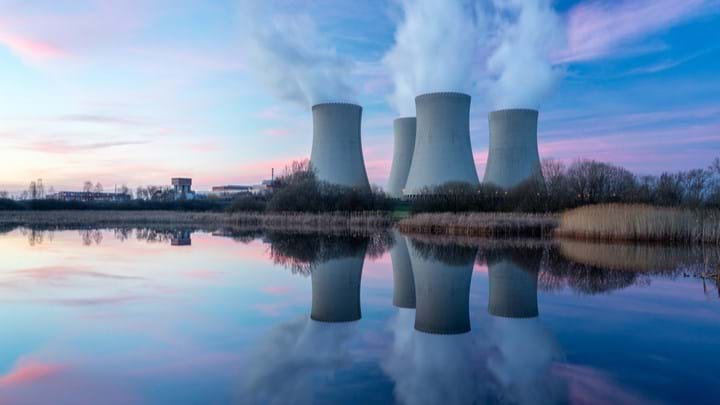
A POLISH billionaire is leading a consortium of private investors that plans on building 14 small modular reactors (SMRs) across the UK in a project worth £35bn (US$47bn).
SGE SMR is led by industrialist Michał Sołowow and the plan follows an agreement with GE Hitachi Nuclear Energy to roll out its SMRs across Europe.
The consortium is made up of partners including US manufacturer GE Vernova, Google Cloud and Aecon.
Nuclear power is gaining rapid traction in the UK. The government revealed its expansive Advanced Nuclear Framework (ANF) last year, which includes permissions for companies to build nuclear projects across the country.
Sołowow said: “The UK is home to one of the world’s most experienced nuclear workforces and the British government has provided a clear path to market with the ANF.
“Because of this, I am confident we will set a new standard for nuclear development by combining our disruptive business model with the BWRX-300’s tenth generation proven technology.”
Uk nuclear
SGE SMR has submitted plans to the ANF to build SMRs at three sites in the UK, including at the Oldbury site in south Gloucestershire, a former Magnox power station.
The consortium says that the SMR fleet will generate a total of 4.2 GW, which it says could account for 11% of the UK’s energy demand, or power around 8m homes for 60 years.
If the plans are approved, SGE anticipates that the project will enter the UK’s nuclear pipeline by November, with the first unit ready for operation by 2034.
This puts the consortium in competition with British engineering firm Rolls-Royce, which was selected by the government to develop the UK’s first SMRs by 2032 at the earliest. The company is expected to secure a contract with the government for £2.5bn.
Learning from the tenuous energy pricing of Sizewell C, SGE plans to deploy its project under the Contracts for Difference framework supported by the National Wealth Fund. This framework allows consumers to pay a fixed rate from energy bills once the project begins generating electricity.
Recent Editions
Catch up on the latest news, views and jobs from The Chemical Engineer. Below are the four latest issues. View a wider selection of the archive from within the Magazine section of this site.