Oil majors cautious on Venezuela amid political enthusiasm
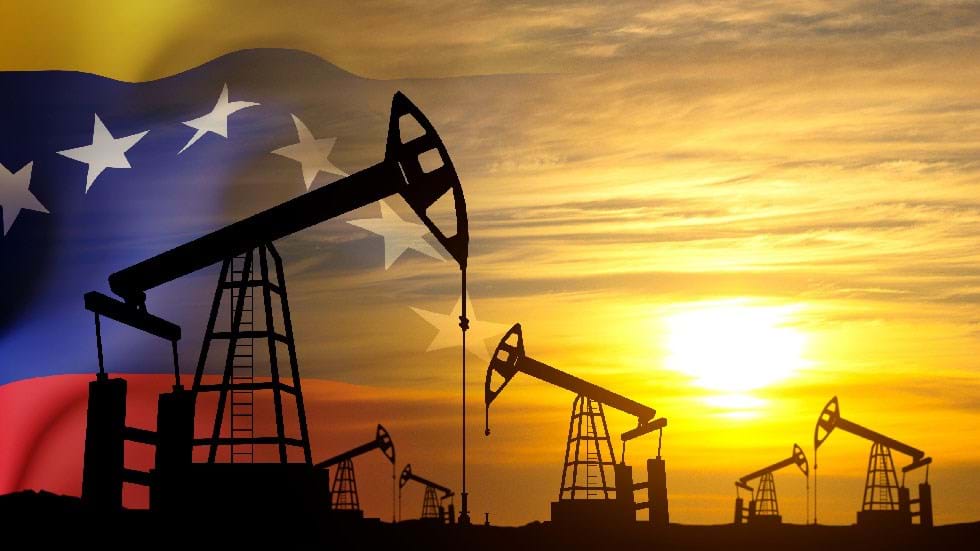
Political momentum on both sides of the Caribbean contrasts with investors’ hesitation over Venezuela’s heavy crude, ageing infrastructure and regulatory challenges
GLOBAL oil and gas majors remain apprehensive about investing in Venezuela’s huge crude reserves following US political intervention – despite enthusiasm from both sides of the Caribbean Sea.
Donald Trump has pledged to unlock Venezuela’s oil reserves – the largest in the world – promising that US companies would “go in, spend billions of dollars, fix the badly broken infrastructure, the oil infrastructure, and start making money for the country”. Meanwhile, Venezuela’s vice-president Delcy Rodríguez has used her state of the union address to appeal for foreign investment in the country’s oil sector.
However, multinational oil and gas companies remain cautious. At an event for US oil executives at the White House last month, ExxonMobil CEO Darren Woods described Venezuela as “uninvestable” in its current state. Exxon had its Venezuelan assets seized by state oil company PDVSA in 2007 during the nationalisation programme under Hugo Chávez, meaning any return “would require some pretty significant changes from what we’ve historically seen here”, Woods said.
Commercial interest in Venezuela is largely driven by refining capacity in the US rather than access to the reserves themselves. While the US is the world’s largest crude producer due to its vast light shale oil deposits, many of its biggest refineries – including ExxonMobil’s Baton Rouge facility in Louisiana – were built before the shale boom. These refineries are optimised to process heavy crude, following major investments in cokers, hydrocrackers and desulphurisation units during the 1980s.
This configuration suits the extra-heavy crude found in abundance in Venezuela but is largely unnecessary for shale oil refining. Reuters has reported that ExxonMobil sources said the company is planning to process Venezuelan crude at Baton Rouge. However, Woods said “significant changes” would need to be made to Venezuela’s commercial and legal frameworks before any investment could proceed – and that’s before feasibility studies begin to assess the scale of investment required to redevelop the country’s ageing infrastructure and manage the additional costs of extracting and processing extremely heavy crude.
Observers have also pointed to previous US-led interventions in Iraq and Libya where political change failed to trigger a rapid influx of international oil investment. Chris Eaglen, an IChemE Fellow and energy industry expert, told TCE: “On previous trends, it is unlikely that commercial investments will be as forthcoming as others might imagine.”
TotalEnergies CEO Patrick Pouyanné has similarly said that investing in Venezuela was “not high on my agenda”.
Former bp CEO John Browne, however, expects major companies to start pushing for involvement in Venezuela “fairly quickly”, telling BBC Radio 4 that “having options for business in different parts of the world is a good thing to have”.
This article is adapted from an earlier online version.
Recent Editions
Catch up on the latest news, views and jobs from The Chemical Engineer. Below are the four latest issues. View a wider selection of the archive from within the Magazine section of this site.