Hazards 36: A recap of day one
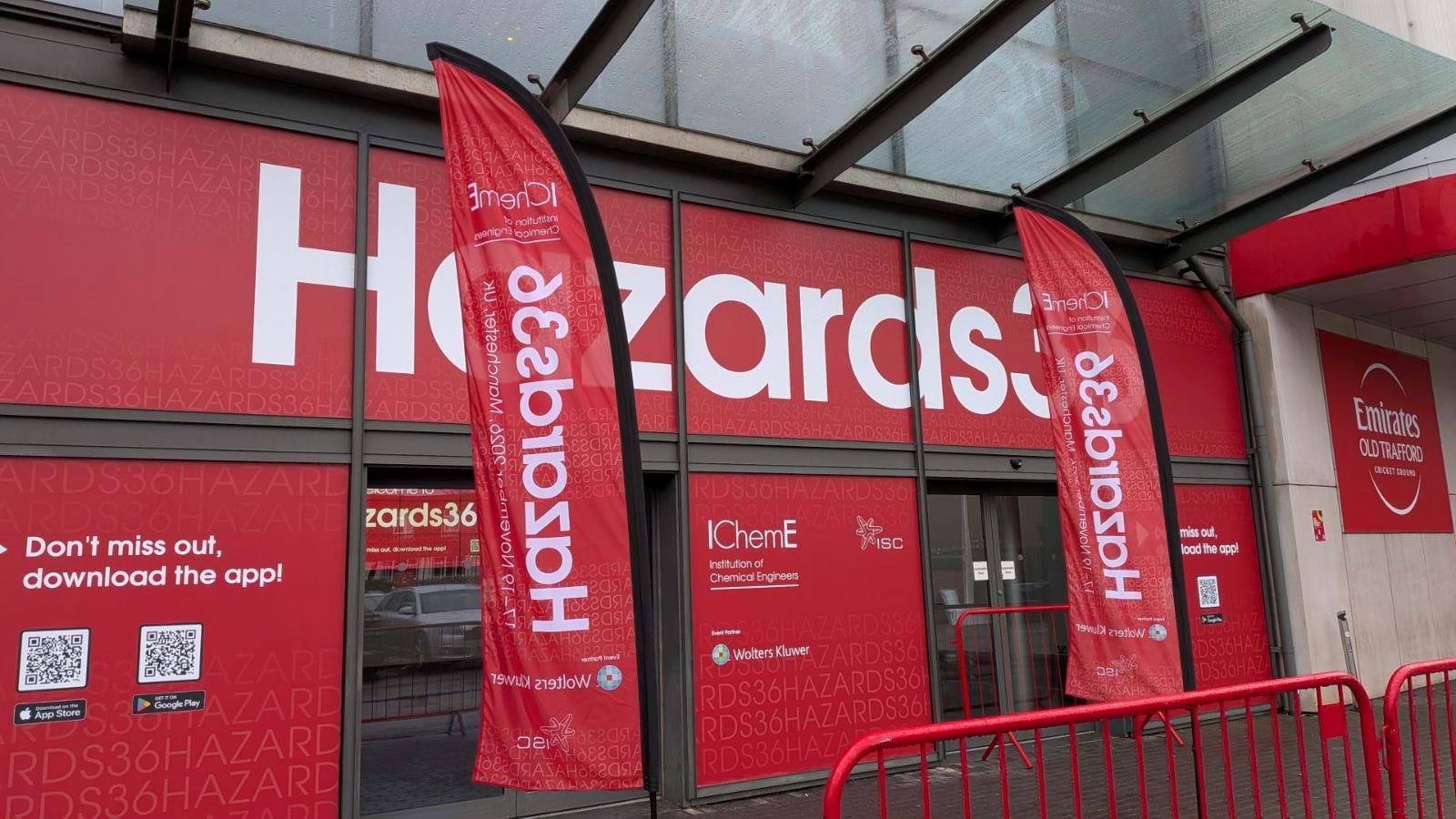
Technology, climate change and human value stood as the prominent themes of day one of IChemE’s Hazards 36 Process Safety Conference.
On a harsh and drizzly Manchester afternoon, more than 300 industry professionals congregated at the famous Old Trafford Cricket Ground to speak candidly about the process safety industry and the challenges it now faces with the emergence of new technologies and new forms of energy.
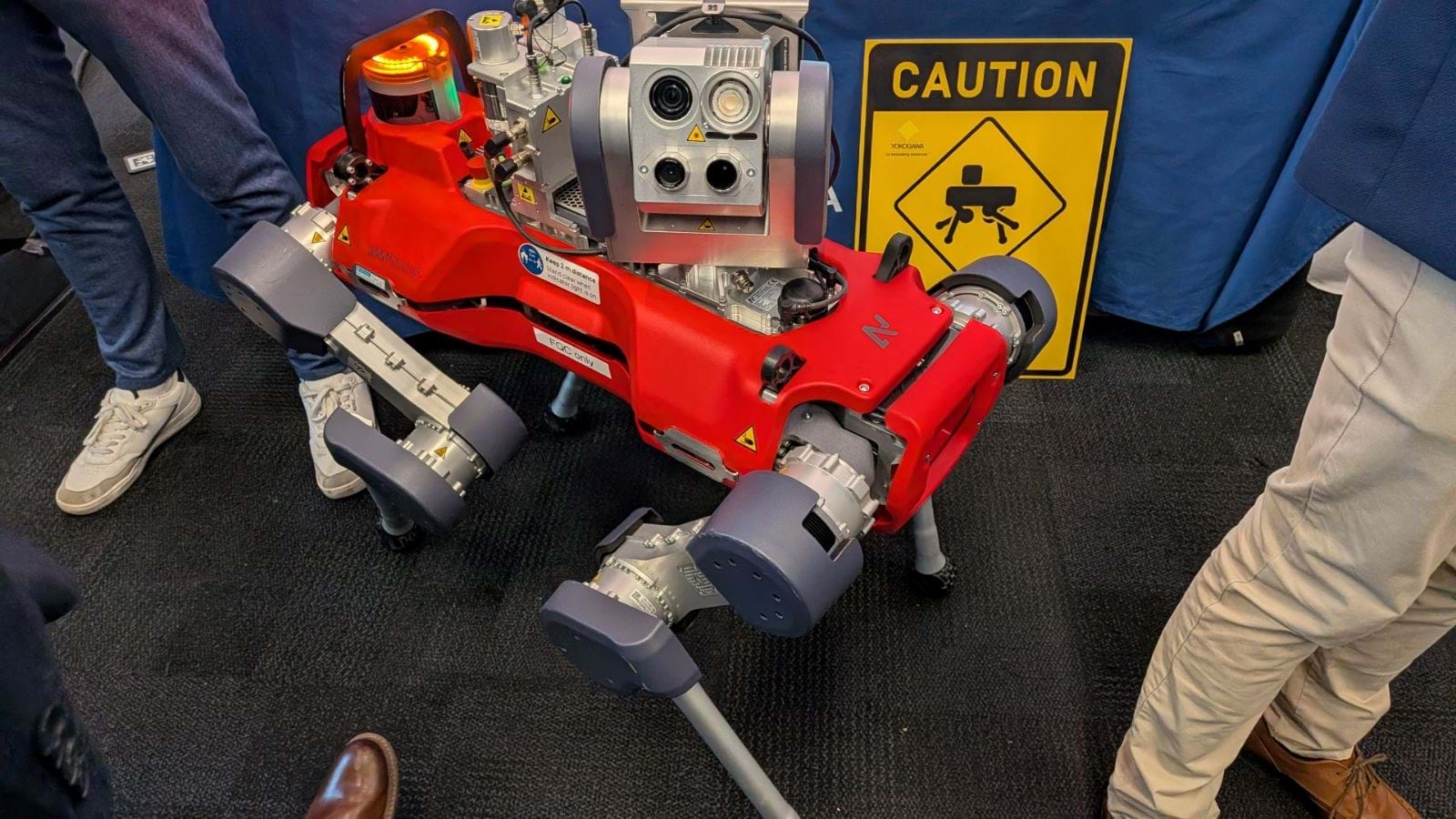
Before the meat of the conference began, attendees were treated to a display of research posters and exhibitions lining every room of the event space, which brought a loud sense of creativity and urgency to the day’s themes. Presenters and exhibitors discussed a wide range of industry pain points, including the need for an improved hazard assessment method for road tankers, and building new risk profiles for decarbonisation technology, most notably carbon capture. The lively exhibition hall was not only peppered with standard plant safety essentials, but technologies of the future, including Japanese engineering firm Yokogawa’s ANYmal autonomous robot, which the company developed with a software system to help plant operators inspect sites.
The conference was chaperoned by hazards committee chair and process safety expert Eamon Chandler, who introduced the event’s sponsor, Dutch firm Wolters Kluwer. Senior field sales executive Anna Makhova had a few words to share: “I encourage you all today to take the opportunity to share your knowledge and listen to as many presentations as possible, so that we can create new knowledge that will bring about a safer world.”
Futureproofing the energy transition
With the introduction of new, low-carbon energy sources comes the possibility for new risks to manage. With hydrogen, there is the risk of explosives and cost efficiency, and with wind and solar come the issues of consistency and energy storage. Speakers at the conference looked at the potential factors involved with building a new energy system, and why process safety is a central component to this transition.
“Fossil fuels will not go away all at once – they can’t. We need further investment into them as well as renewables to make sure we can manage the decline in its production, without destabilising the energy mix,” said Hari Vamadevan, the SVP and regional director for DNV UK.
Trade-offs are inevitable with the energy transition, as Vamadevan says, with each technology having its own risk profile.
“Energy production is inherently exploitative, as you need significant land and resources to scale and provide stable energy. With this we have to make a decision on what risk we want to manage.”
Dr Zsuzsanna Gyenes made similar comments on the energy transition, with a further emphasis on the role of senior leaders in ground process safety principles in the transition conversation.
“Though we may not have new types of hazards, the technology will change, but at the same time taking accountability and responsibility cannot change. And the fact that you are all here shows that.”
Communication is key
The accountability of leadership continued to be a conversation taken into the conference’s parallel sessions and refreshment breaks. Among attendees the shared consensus was that many operational risks could be reduced if communication was better between engineers and operators.
Shakeel H Kadri, the chief engineer for the American Institute of Chemical Engineers and CEO of the Center for Chemical Process Safety, took this conversation a step further and placed the responsibility of communication squarely on business leaders.
Delivering the annual Trevor Kletz lecture, Kadri explained how process safety became more important in his work throughout his expansive career, which was built mainly with chemicals firm Air Products, where he became director of global process safety and risk management.
He said: “I started my career as a process engineer, and I can say from my experience I know that process safety is the most important value to have to lead a company.”
TCE will be reporting live from Linkedin for the remainder of Hazards 36, and will publish a comprehensive breakdown of each day on the website. Stay tuned!
Recent Editions
Catch up on the latest news, views and jobs from The Chemical Engineer. Below are the four latest issues. View a wider selection of the archive from within the Magazine section of this site.