Government plans to fast-track new North Sea tiebacks before legislation passed
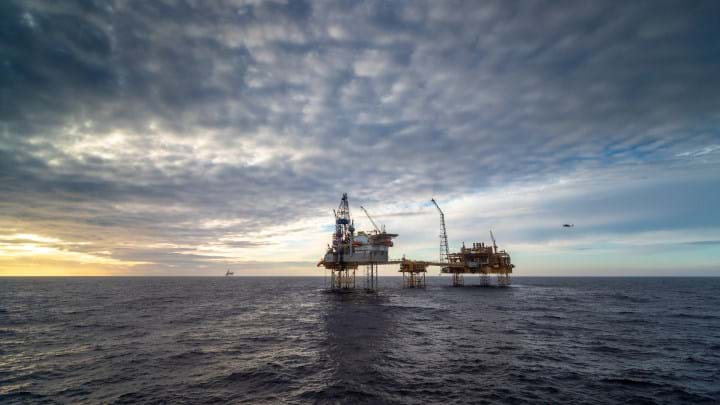
THE UK government has asked regulators to fast-track approval of new North Sea oil and gas developments that would be tied back to existing platforms before legislation officially passes through parliament.
In its North Sea Future Plan announced last year, the former government under Sir Keir Starmer laid out plans to issue “transitional energy certificates” (TECs) allowing developers to produce oil and gas from “well-understood” but undeveloped fields provided they were tied back to existing installations in neighbouring “blocks” of the North Sea. The policy, seen as a compromise to accompany a ban on new exploration licenses, was retained by the new Andy Burnham government, but is yet to be voted through parliament.
Burnham’s government has now asked regulators to fast-track “urgent” cases that could benefit from TECs before official legislation is passed. The intention was confirmed alongside the government’s approval of production at the new Jackdaw gas field this week, which is itself a tieback project.
Meanwhile, the government announced the creation of a new “Energy Wealth Fund” to reinvest tax revenues from North Sea oil and gas into renewable and low-carbon energy projects. The fund will begin with an initial £2bn injection from the Treasury that will be confirmed in next month’s budget. The initial investment is understood to be entirely new funding and will not come directly out of a specific departmental budget.
Chancellor John Healey said: “I want Britain’s energy wealth to spark a new wave of clean power to work for the British people. Since North Sea oil and gas were discovered decades ago, the benefit of our existing nation’s natural resources have not been turned into long-term investment our country needs.
“Through our new Energy Wealth Fund, we will invest in the clean energy industries of the future, creating jobs, driving growth and strengthening Britain’s energy security.”
The government aims for the fund to help “substantially delink gas and electricity” by 2029.
Taxing work
Amid the spate of North Sea policy announcements this week, the Department for Energy Security and Net Zero has also published the latest oil and gas tax revenue figures, the total figure standing at £4.3bn for 2025-26, a 3% reduction from the previous year.
Revenue from the Energy Profits Levy, introduced in 2022 after the Russian invasion of Ukraine prompted record profits across the sector and a cost of living crisis, decreased by 10% from last year to £2.6bn in 2025-26. Net offshore corporation tax revenue, meanwhile, increased 13% to £2.2bn.
The biggest change in tax payments came in the other direction, with repayments made by the treasury to the industry up 27% to £440m. This accounts for overpayments of the former petroleum revenue tax that was abolished in 2016.
HM Revenue and Customs expects remaining decommissioning work to cost the treasury £11.8bn, largely made up of lost tax revenue as profits decline along with tax repayments. The cost to the industry, meanwhile, is expected to be £43.4bn, according to North Sea Transition Authority estimates.
Recent Editions
Catch up on the latest news, views and jobs from The Chemical Engineer. Below are the four latest issues. View a wider selection of the archive from within the Magazine section of this site.