Financing deal could cost public £22bn if Sizewell C overruns, MPs warn
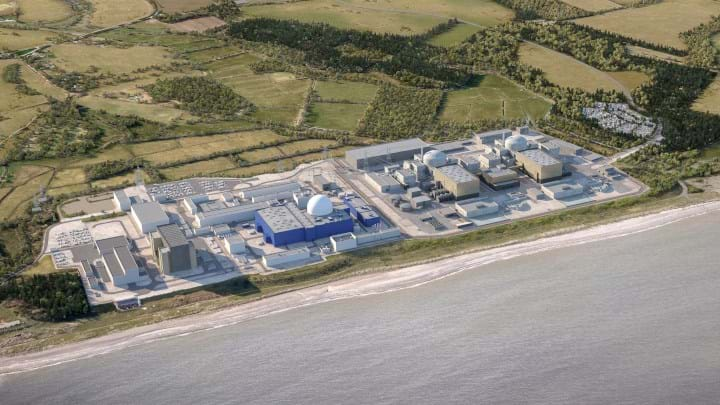
BRITISH taxpayers could be left with a £22bn ($29.3bn) bill if the Sizewell C nuclear development exceeds initial cost estimates, under what MPs described as a “terrible deal for the taxpayer”.
Under the same conditions, private investors will pay a maximum of just £30m, while earning 10% returns on their investment.
Sizewell C’s two planned nuclear fission reactors on the existing site in Suffolk are currently expected to cost a minimum of £40.5bn. However, in a report published by the cross-party Public Accounts Committee (PAC), MPs warned that construction costs are “highly likely” to rise. If the total cost climbs above £47.7bn, the public will pay an additional £21.8bn over the reactors’ 60-year lifespan, while private investors will receive £3.76bn in extra profit.
“Consumers will pay through higher bills, while private investors face little risk to their capital and yet still expect high returns,” the committee warned.
Greenlit last year, Sizewell C will generate 3.2 GW of power, amounting to around 10% of the UK’s total electricity demand over the last year. Developers have maintained that using EDF’s “mature” reactor design, the European Pressurised Reactor (EPR) will make the estimated launch date of 2039-2043 more achievable.
However, the PAC noted that “no comparable nuclear power station anywhere in the world has been delivered on time and on budget”. Plants in Finland and France using the EPR were delayed by at least 12 years, while the UK’s other flagship nuclear mega project, Hinkley Point C, has suffered several delays and budget overruns.
The unique public-private financing deal for Sizewell C was negotiated under poor market conditions that left the government with only “one viable option” for the reactor design and location of its next nuclear mega project, the PAC said. This, they argued, left the Department for Energy Security and Net Zero (DESNZ) little commercial leverage with private investors. The UK National Wealth Fund’s equity stake also reduced from an initial 90% to 45%, while taking the largest financial risk by lending £37bn of the total £42bn debt provided. The PAC urged the government to set out “how it will build confidence” in the UK nuclear sector “so the financial risks of any future scheme, including small modular reactors, can be distributed more fairly”.
A DESNZ spokesperson strongly refuted the PAC’s findings, saying the report “completely ignores that investors are incentivised to complete construction as cheaply and quickly as possible”.
They added: “We need to build new nuclear to move the country off expensive fossil fuels and on to clean, homegrown energy we control. Once operational, Sizewell C could save £2bn a year across the energy system, cutting costs for families up and down the country, and the project is already making good progress with over 2,000 workers onsite.”
Tom Greatrex, chief executive of the Nuclear Industry Association, said: “Currently, the consumer is footing a bill of £2.8bn so far this year to manage a dysfunctional grid, paying both for wind to stop generating at some times, and for gas-powered backup at others.
“The only way to stop that escalation is with more baseload power,” he added, arguing that repeating a known nuclear reactor design is “the most cost-effective way of doing that”.
Nigel Cann, CEO of Sizewell C Ltd, the company overseeing the development, said the project “will strengthen the country’s energy independence, support lower bills and provide reliable low carbon electricity for generations.
“Recent energy price shocks have exposed the risks of being overly reliant on imported fossil fuels. That is exactly why Britain needs new nuclear. By generating power here at home, Sizewell C will help protect households and businesses from the volatility of global energy markets.”
Cann argued the project is “drawing on years of practical experience to improve productivity and reduce risk” by “building on a proven design, a skilled workforce and an experienced supply chain”.
Recent Editions
Catch up on the latest news, views and jobs from The Chemical Engineer. Below are the four latest issues. View a wider selection of the archive from within the Magazine section of this site.