Biomass production unsustainable for industry energy demand, report says
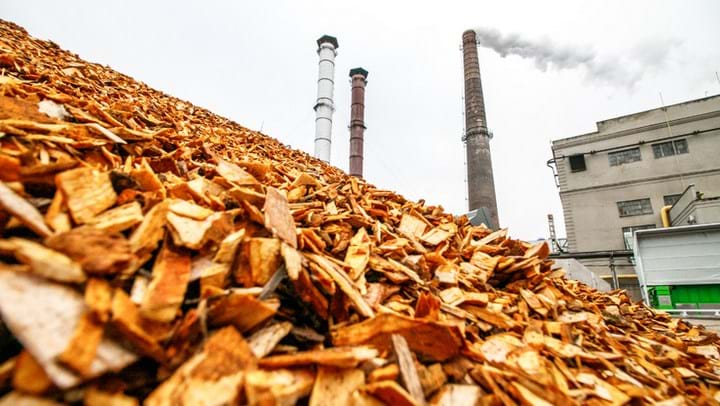
GLOBAL biomass production could become unsustainable if it is to meet the current power demands of industry, says a new report.
The Biobased and Biodegradable materials Regulatory Network (BB-REG-NET) has stressed that the world’s biomass reserves are limited and that UK policymakers must make clear priorities for where it should be used.
Biomass reliance reached new heights last year in the UK, with Drax – the UK’s largest biomass power station – reporting that almost a fifth of the UK’s electricity was powered by biomass in September.
BB-REG-NET’s report found that the current global harvest of biomass already stands at 13bn t/y, with annual capacity increasing to around 40bn t.
Despite the potential for more production, the report also found that only a fraction of this capacity – around 6-14bn t – could be extracted without degrading soils, depleting ecosystems or undermining food security ranges.
Adrian Higson, director of Alder BioInsights, and author of the report, said: “Biomass is a limited and highly contested resource and we need to be honest about the fact that some sectors – such as chemicals, materials and aviation – have no viable alternatives to biogenic carbon, while others do.”
Priority industries
Using insights from the biomass and bioenergy industries, BB-REG-NET has developed a “decision support tool” to rank biomass applications by levels of necessity.
The tool ranked food production, ecosystem services, biodiversity and medicines as the most essential sectors that will benefit from biomass production. It placed carbon capture and biofuels for vehicles to be low priority as there are already non-bio alternatives for those sectors, namely electrification.
While energy systems can be decarbonised with renewables, the report states that the chemicals and materials sectors are more complicated as they require carbon molecules as “fundamental building blocks”, where biomass would be more beneficial.
UK bioeconomy
The UK imports around 80% of the wood it uses for industrial purposes, with only a small proportion supplied domestically. Drax, for example, sources more than 99% of its wood from North America.
Given the limited availability of sustainable biomass, the report argues that the UK “cannot afford” to direct supplies to sectors where viable alternatives already exist.
The findings come as the Department for Energy Security and Net Zero (DESNZ) consults on a Common Biomass Sustainability Framework, which aims to strengthen sustainability criteria for biomass sourcing.
Higson said: “The current DESNZ consultation on a Common Biomass Sustainability Framework is a welcome opportunity to embed clear prioritisation principles alongside sustainability standards, ensuring biomass is directed where it delivers the greatest strategic value for the UK.”
The consultation is open until February.
Recent Editions
Catch up on the latest news, views and jobs from The Chemical Engineer. Below are the four latest issues. View a wider selection of the archive from within the Magazine section of this site.