Crisis or Catalyst? How Energy Shocks have Reshaped Engineering Practice
Andrea Warner explores how major energy shocks – from the 1970s oil crisis to recent geopolitical disruptions – have forced step changes in engineering, turning system vulnerabilities into lasting resilience
Quick read
- Crises accelerate change: Energy shocks expose weaknesses and force rapid innovation across systems, policy and design
- Resilience the priority: Systems must be built for extremes – flexible, diversified and able to withstand disruption
- Smarter, more connected systems win: Digital tools, real-time data and integrated energy–material strategies are key to future security
ENERGY crises are usually seen as moments of disruption. For engineers, they are also moments of acceleration – forcing rapid change in how energy systems are designed, operated and governed.
Over the past 50 years, major shocks have repeatedly exposed weaknesses in global energy systems. Just as often, they have driven lasting improvements, from new institutions and design standards to digital operating models and more flexible supply chains.
The pattern is consistent: when strong governance aligns with engineering rigour, crises become catalysts for resilience.
An energy crisis can be defined as a sudden disruption to the production, delivery or use of energy that threatens economic stability or public welfare. These events typically combine rapid onset, widespread impact and complex interdependencies – demanding urgent action.
Five events illustrate how such shocks have reshaped engineering practice.
1970s oil embargo: The Birth of Modern Energy Security
In October 1973, Arab members of the Organisation of Arab Petroleum Exporting Countries (OAPEC) imposed an oil embargo that disrupted global supply.
Within months, crude prices almost quadrupled, triggering fuel shortages, long queues and economic stagnation across many industrialised nations. Even though the embargo formally ended around six months later, oil prices remained elevated for almost a decade, leading to longer-term economic and societal impacts.
The most significant outcome was institutional: the creation of the International Energy Agency (IEA) in 1974, designed to coordinate collective responses to supply disruptions.
For engineers, the crisis accelerated practical change across the energy system, including improved efficiency standards, the development of strategic petroleum reserves, refinery and process optimisation, fuel reformulation and early synthetic and alternative fuels programmes.
This marked the beginning of modern energy security thinking – where engineering solutions were embedded within coordinated policy frameworks. As an OECD-hosted body, the IEA helped formalise this approach, developing shared “crisis playbooks” that have since expanded to cover the wider energy system.
Fukushima: Designing beyond the envelope
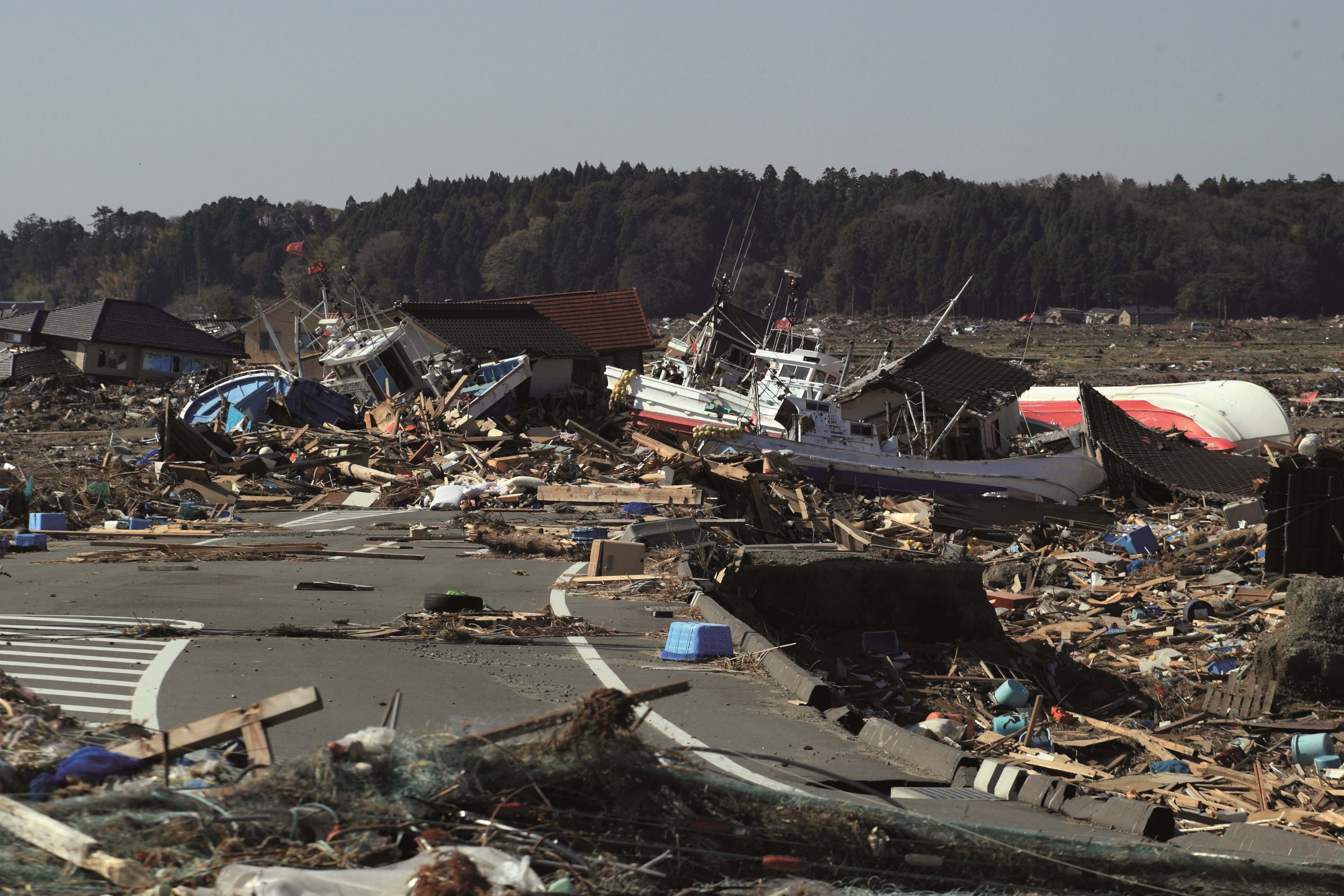
On March 11, 2011, a magnitude 9.0 earthquake struck off the coast of Japan, triggering an automatic shutdown of the Fukushima Daiichi nuclear power station. Around 40 minutes later, a tsunami – larger than anticipated in the plant’s design criteria – flooded the site, disabling backup diesel generators and cooling systems. This led to core meltdowns and hydrogen explosions in several reactor buildings, releasing radioactive material into the air and water. More than 150,000 residents were evacuated and clean-up efforts are estimated to have cost over US$200bn in the six years that followed.
The response was global and far-reaching. Reviews led by the International Atomic Energy Agency (IAEA) and involving around 180 experts from 42 member states drove a shift from “design basis” thinking to “severe accident” preparedness.
For engineers, this translated into a fundamental rethink of how nuclear systems are designed and assessed. External hazard assumptions were strengthened, with many countries – particularly in Europe – introducing stress tests to ensure reactors could withstand extreme, low-probability events.
Design philosophy also shifted toward greater independence and resilience within safety systems. This included a stronger emphasis on passive safety, improved hydrogen monitoring and venting, and more robust instrumentation capable of operating during power loss. Cooling systems and backup power supplies were redesigned to remain functional under severe conditions, while emergency preparedness and real-time communication tools were significantly upgraded. Together, these changes marked a move toward designing not just for expected scenarios but for the most demanding conditions a plant might face.
COVID-19: Digitalisation comes essential
The Covid-19 pandemic created an unprecedented global demand shock. The IEA recorded that countries in full lockdown reduced weekly energy consumption by around 25%, while supply chains and operating models were significantly disrupted.
Yet amid this disruption, a major transformation took hold: digitalisation – previously discussed but unevenly implemented – became essential. To keep assets running with reduced on-site staffing, companies rapidly accelerated the adoption of remote monitoring, automation and digital twins. Executives reported multi-year leaps in digital capability achieved within a matter of months, alongside sustained increases in investment.
At the same time, remote working shifted energy demand into homes, driving uptake of smart thermostats and home energy management systems. Utilities responded by introducing time-of-use pricing and expanding digital tools to better manage changing demand patterns. The share of renewables also increased, reflecting their low operating costs and reinforcing the need for more flexible, data-driven grid operations.
These shifts fed into a broader reset. Energy security and emissions reduction became central to post-pandemic strategies, with governments placing greater emphasis on cleaner, more resilient systems. As a result, investment in renewables and emerging technologies such as hydrogen, batteries and bioenergy accelerated.
Texas Winter Storm Uri: Engineering for Weather Extremes
In February 2021, Winter Storm Uri brought prolonged sub-zero temperatures to Texas, overwhelming the state’s power system and triggering widespread blackouts. Natural gas wells and pipelines froze, alongside coal plants, nuclear facilities and wind turbines, removing around half of the state’s generation capacity. Water systems failed, more than 4.8 million customers lost power and 246 deaths were officially reported, many linked to hypothermia.
The crisis also exposed the tight interdependence between gas supply and power generation, as falling gas production further constrained electricity output.
At its core, the failure reflected infrastructure that had not been designed for extreme cold. In response, Texas moved to codify engineering fixes into enforceable standards. New regulations
introduced seasonal preparedness requirements, mandatory declarations of readiness and inspections overseen by the Electric Reliability Council of Texas (ERCOT). They also defined temperature resilience thresholds and identified critical components that must be protected against both cold and heat, with clear compliance deadlines.
Generators across gas, coal, nuclear and renewable systems are now required to winterise equipment, while regulators have strengthened oversight of the natural gas supply chain. The crisis has also accelerated investment in battery storage and demand-side flexibility to reduce pressure during peak events, alongside improved data and visualisation tools to give operators a clearer picture of available capacity in real time.
Russia–Ukraine War (2022– Present): Diversification and system flexibility
In February 2022, Russia launched an invasion of Ukraine, triggering a global energy crisis. Gas flow to the EU fell by around 80%, forcing a rapid and far-reaching shift in energy sourcing.
Prices surged across oil, gas and power markets, placing sustained pressure on economies and households. This disruption in global oil and gas supply chains caused dramatic price spikes and forced the world to accelerate renewable energy adoption, diversify energy sources and modernise grid infrastructure.
The EU responded with REPowerEU Plan to phase out Russian fossil fuel imports, coupling emergency demand reduction, joint purchasing and a storage mandate requiring underground gas storage to reach 90% capacity ahead of winter.
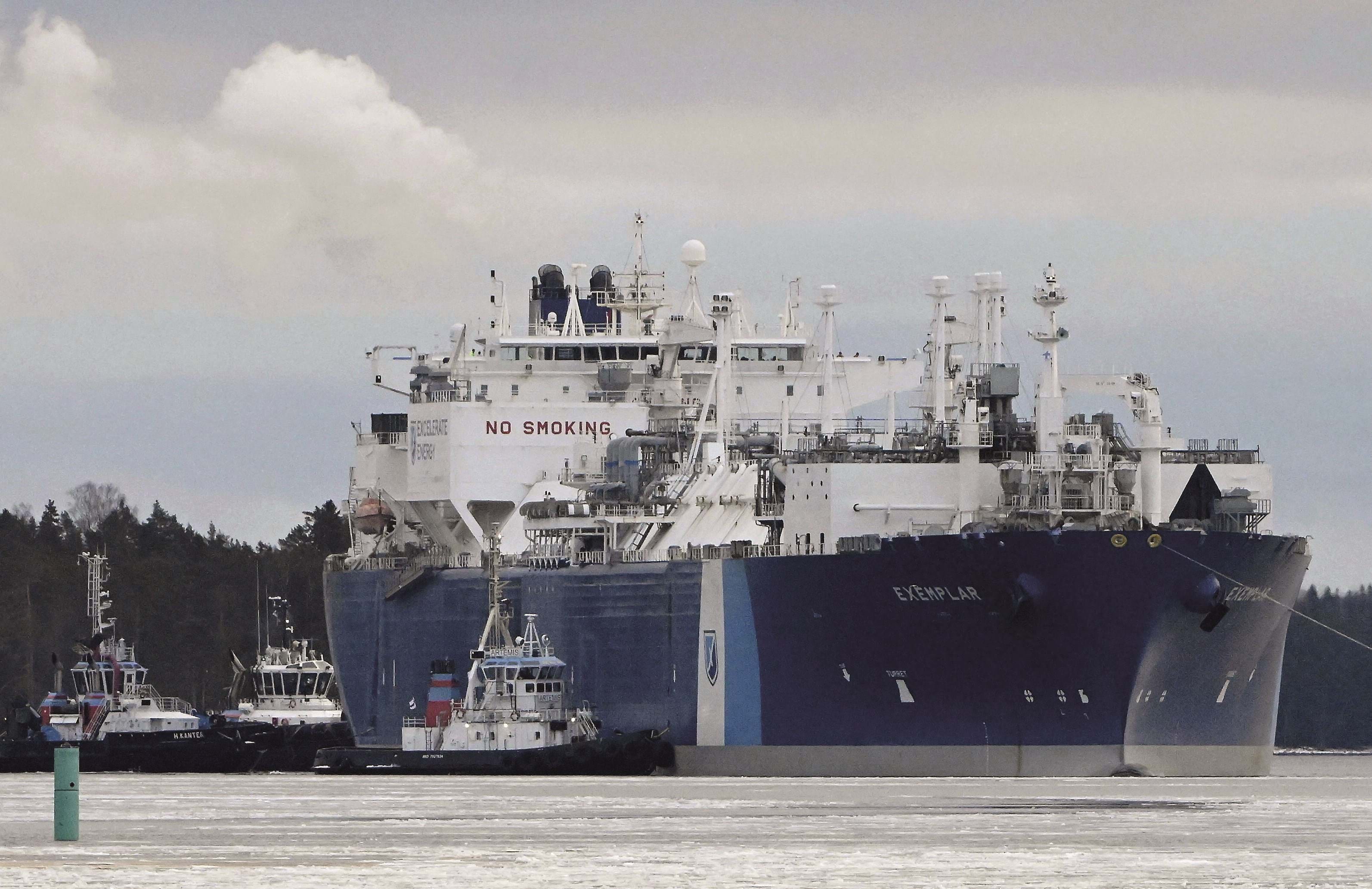
For engineers, the crisis translated into a renewed focus on speed and flexibility – how quickly energy can move from supply to end use. This drove the rapid deployment of floating storage and regasification units (FSRUs), expansion of pipeline interconnections and more coordinated procurement through the EU Energy Platform. Modular infrastructure and standardised systems enabled projects to be delivered quickly enough to influence near-term supply.
At the same time, the crisis accelerated the development of hydrogen as a strategic energy vector. Under REPowerEU, the
Each crisis reveals vulnerabilities which open the doors to innovation – John F Kennedy
EU set twin targets of 10m t of domestic renewable hydrogen production and 10m t of imports by 2030, supported by new market frameworks and funding mechanisms designed to reduce risk and scale infrastructure.
From Shock to Capability
Across these five events, a consistent pattern emerges. Crises do not automatically produce progress. Instead, progress depends on how effectively lessons are captured, codified and implemented.
Several cross-cutting themes define successful responses:
- Institutionalised learning is essential. Durable progress relies on organisations that translate lessons into policy and practice. The IEA, post-Fukushima safety frameworks and EU energy regulations all show how governance structures can embed resilience into systems over time
- Designing for extremes has become a central engineering principle. Increasingly, systems are built not just for expected conditions but for low-probability, high-impact events. Whether in nuclear safety or grid infrastructure, resilience now depends on anticipating and withstanding the unexpected
- Diversification and flexibility are equally critical. Expanding LNG capacity and strengthening interconnections reduces reliance on single suppliers, while greater use of storage – both in fuels such as gas and liquids and in electricity through batteries – adds flexibility. Demand-side response is also playing a growing role in balancing supply and demand in real time, while hydrogen is emerging as a complementary low-carbon option where it is technically and economically viable
- Digitisation for resilience has also accelerated. The Covid-19 pandemic demonstrated that remote operations and advanced analytics are not just efficiency tools but essential for continuity. From advanced process control in refineries to grid-edge monitoring and digital twins, more connected, data-rich systems improve situational awareness and allow operators to respond more effectively under stress
Looking ahead
Energy crises are accelerators of change. The 2026 Iran–US conflict has shown this starkly, causing the sharpest disruption in global maritime traffic since the 1970s – halting roughly a quarter of crude and petroleum shipments, 20% of LNG and critical flows of petrochemicals, fertilisers and semiconductor materials. Insurance withdrawals from high-risk zones have further exposed vulnerabilities long overlooked.
For engineers, the imperative is clear: resilience is the ultimate measure of success. The systems we design must:
- Eliminate single points of failure: diversify supply chains and decentralise production to withstand geopolitical shocks
- Electrify and localise: deploy renewable-hydrogen ecosystems and modular infrastructure that can operate independently of contested shipping routes
- Think dynamically: leverage AI and digital twins to model climate, geopolitical and operational risks in real time
- Build strategic inventories: maintain fuels, materials and critical components to bridge supply gaps
- Integrate energy and material security: design systems where one underpins the resilience of the other
- Operate under stress: ensure continuity even when transport networks, markets or critical infrastructure are disrupted
From the oil shocks of the 1970s to Winter Storm Uri and the Russia–Ukraine war, history shows that progress follows crises that demand foresight, ingenuity and flexibility. The disruptions of 2026 reinforce this lesson: vulnerability is a call to build systems that are adaptable, robust and forward-looking.
Any energy crisis offers a stark reminder: future systems will not be judged by efficiency alone but by their ability to operate under sustained geopolitical stress.
Andrea Warner is a Chartered Chemical Engineer and engineering lead at Shell Trinidad and Tobago
Recent Editions
Catch up on the latest news, views and jobs from The Chemical Engineer. Below are the four latest issues. View a wider selection of the archive from within the Magazine section of this site.