University of Bath researchers break down PFAS with sunlight
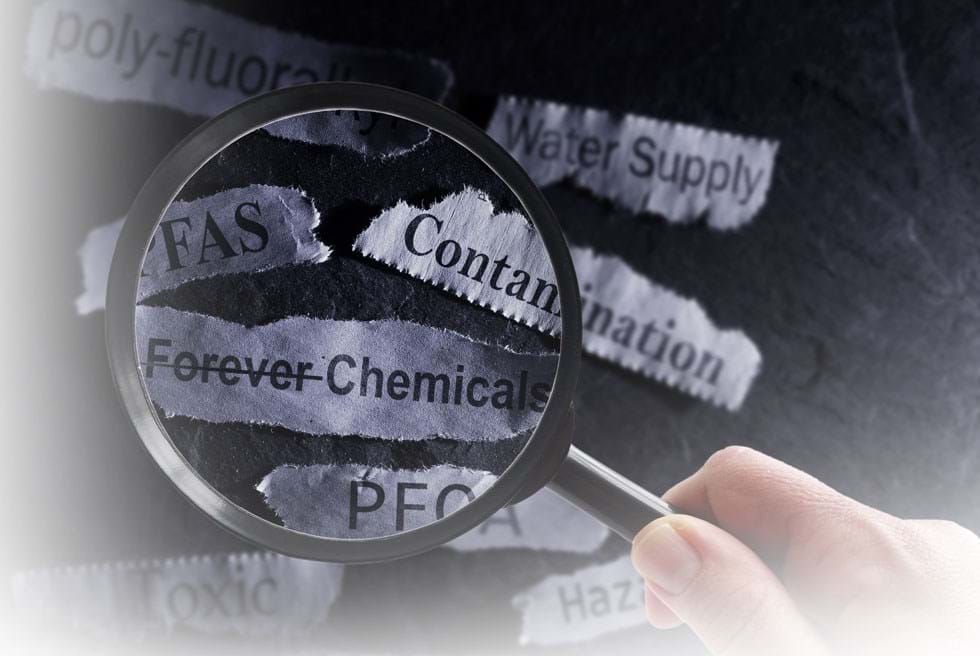
AN INTERNATIONAL team led by researchers at the University of Bath has developed a carbon-based photocatalyst that uses sunlight to break down PFAS.
Working with scientists from the University of São Paulo, University of Edinburgh and Swansea University, the team created a catalyst based on carbon nitride combined with a rigid microporous polymer.
The polymer binds PFAS molecules to the catalyst surface, where light-driven reactions break them down into CO2 and fluoride ions.
The researchers say the technology could provide a low-cost scaleup solution for PFAS treatment, with particular interest in applications such as contaminated soils.
Fernanda COL Martins, first author of the study, said: “Our project has combined an easy-to-make carbon-based catalyst with a polymer called PIM-1 to make PFAS breakdown more efficient, especially at neutral pH, which would be naturally found in the environment.”
Photocatalyst design
The photocatalyst developed by the research team is “purely organic” meaning it does not require metals or complex manufacturing processes.
Frank Marken, who led the study, said similar carbon nitride photocatalysts have previously been investigated for breaking down compounds such as surfactants and sorbitol.
The microporous polymer was designed without internal rotational freedom, preventing it from packing in solution or moving in the solid state. This structure creates a network of pores that can host the catalyst particles.
Marken said: “Only the mobile PFAS molecules can enter the pores and interact with the photocatalyst.”
Use cases
Beyond breaking down PFAS, the team says the system could also be used as a sensor by detecting the fluoride released during breakdown.
According to Marken, the concept could enable low-cost sensors capable of detecting a range of PFAS chemicals. By converting a PFAS molecule into multiple fluoride ions, the process amplifies the signal, making contamination easier to detect.
“This concept is not fully realised yet but could provide a tool for screening – for example contaminated soils – without being limited to any particular PFAS target molecule,” he said.
The team is also exploring ways to repurpose the CO2 and fluoride byproducts produced during the reaction, while aiming to minimise the total volume of waste generated.
Recent Editions
Catch up on the latest news, views and jobs from The Chemical Engineer. Below are the four latest issues. View a wider selection of the archive from within the Magazine section of this site.