Syngenta announces US$130m expansion to UK agricultural research centre
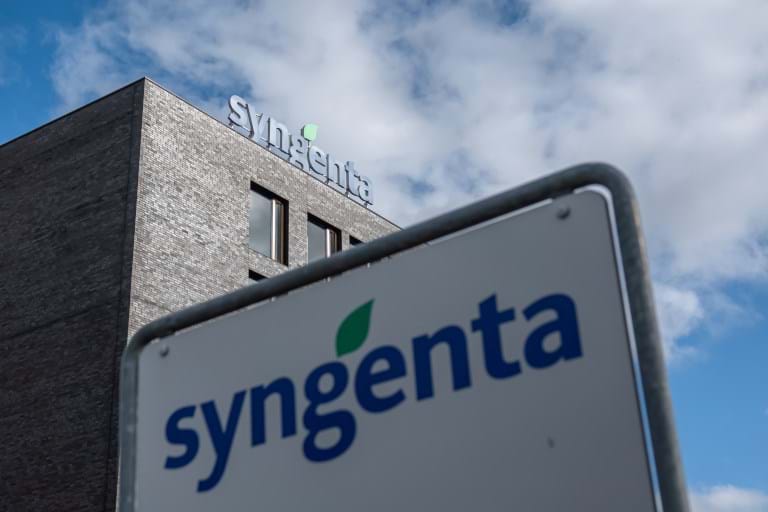
SWISS agrochemicals company Syngenta has announced plans to invest US$130m in a new agricultural bioscience centre at its existing research and development (R&D) hub in Bracknell, UK.
The company plans to move 300 of the 800 scientists at the Jealott’s Hill site to the new Biological Sciences Technology and Research centre (BioSTaR) where work will focus on molecular and analytical research alongside digital and AI innovation for sustainable agriculture. Syngenta expects the centre to be operational in 2028. The company told TCE it does not yet know which specific staff teams it will redeploy to the BioSTaR.
As well as designing novel pesticides and biocides, researchers will study how organisms interact with each other and the environment to identify how to better harness natural resilience to pests. Work will also explore biological manufacturing routes and study how compounds break down in plants and soils.
Opened in 1927 by three local farms and owned by ICI for much of its history, Jealott’s Hill is Syngenta’s largest research facility. Scientists at the site research new active ingredients, formulation technologies, product safety and seeds. The centre developed the Amistar fungicide in the 1990s and last year invented a new subclass of herbicide capable of controlling grass weeds resistant to existing treatments.
Mike Hollands, president of Syngenta UK, said: “As the birthplace of many ideas that have transformed the world, the UK has a long history of innovation and for nearly a century, our Jealott’s Hill research hub has pioneered many of the discoveries that continue to advance global agriculture.
“Our investment in BioSTaR signals the next chapter in Jealott’s Hill’s critical role in advancing agricultural innovation.”
UK farming minister Dame Angela Eagle said Syngenta’s announcement was a “clear vote of confidence in the UK and our world-leading agricultural science”.
Recent Editions
Catch up on the latest news, views and jobs from The Chemical Engineer. Below are the four latest issues. View a wider selection of the archive from within the Magazine section of this site.