Humberside engineers ‘distressed’ as Ineos suspends UK acetyl production over high gas prices
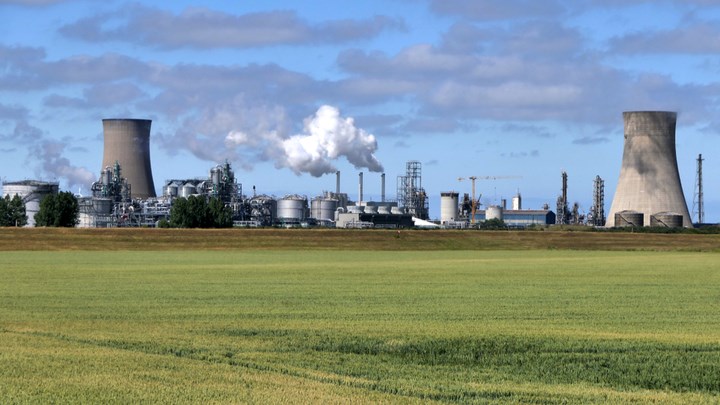
INEOS has suspended production at two major acetic acid facilities in Humberside, UK, and will idle a third in the coming days over “ridiculously” high gas prices, the company said – despite a £30m ($39.7m) upgrade last year.
The decision will directly impact 245 staff at the site and up to 755 additional workers more broadly. It has been highly “distressing” for chemical engineers in the region, a local engineer said, and came soon after the closures of two major Humberside chemical plants last year.
Ineos said the site at the Saltend Chemicals Park in Hull is Europe’s last remaining “world-scale” acetyl plant, producing 500,000 t/y of acetic acid and 350,000 t/y of its derivatives acetic anhydride and ethyl acetate, used in production of food preservatives, pharmaceuticals and cleaning products. It is Europe’s largest acetic acid producer, the company said, and one of the largest suppliers of the chemical in Asia.
Although Ineos invested £30m last July into the Hull plant, the company said they “just cannot compete” with US production where gas prices are currently 12 times cheaper, while “dirt cheap” imports from China also prompted the company to cut 60 jobs in Hull last October.
Ineos also said the carbon footprint of its Hull acetyl production was half that of US equivalents and eight times lower than Chinese coal-derived products. The £30m investment last year included switching natural gas to hydrogen, sourced as a byproduct onsite, which it said cut emissions by 75%.
Chairman Sir Jim Ratcliffe said: “Not only is the ridiculously high gas price destroying our manufacturing base and the jobs of hard-working people on Humberside, it is also massively increasing the environmental burden with replacement products.”
A Department for Business, Innovation, Science and Trade spokesperson said that “while this is a commercial decision from Ineos, we know this will be a concerning time for workers in Saltend and their families”.
They added: “We’ve taken bold action to support our chemicals industry, including £350m for strategically important chemicals producers, which will be available on a co-investment basis.” The spokesperson also said they are “tackling high electricity costs” via the Supercharger and British Industrial Competitiveness schemes that aim to reduce industrial electricity prices.
‘Distressing’ times in Humberside
Arslan Akram, chair of the IChemE Hull and Humber member group, told TCE that the news was “distressing, especially for the engineering community” in the region. Humberside has one of the highest rates of unemployment in the UK, Akram noted, and people in the area are “struggling”.
Ineos’s decision to cut 20% of jobs in Saltend last year came shortly after the closures of Vivergo’s Saltend-based bioethanol plant and the nearby Lindsey oil refinery, which impacted almost 300 workers combined.
Akram recently spoke to a local HR manager who said they now expect over 100 applicants for a sole process engineer vacancy, compared with less than 35 around five years ago.
Students, meanwhile, are also “worried about job opportunities for chemical engineers”. One recently told Akram that they were considering a different career path. Announcements such as this one make it a “massive challenge getting students into chemical engineering,” he added.
Recent Editions
Catch up on the latest news, views and jobs from The Chemical Engineer. Below are the four latest issues. View a wider selection of the archive from within the Magazine section of this site.