Europe’s first nylon biorecycling plant to open in UK
A DEMONSTRATION plant capable of recycling “hundreds of tonnes” of post-consumer nylon is set to open in the UK.
Epoch BioDesign, will operate the facility at Grapht Works, Imperial College London’s new manufacturing site in North Acton, London, to test the scalability of its AI-enabled enzymatic recycling technology.
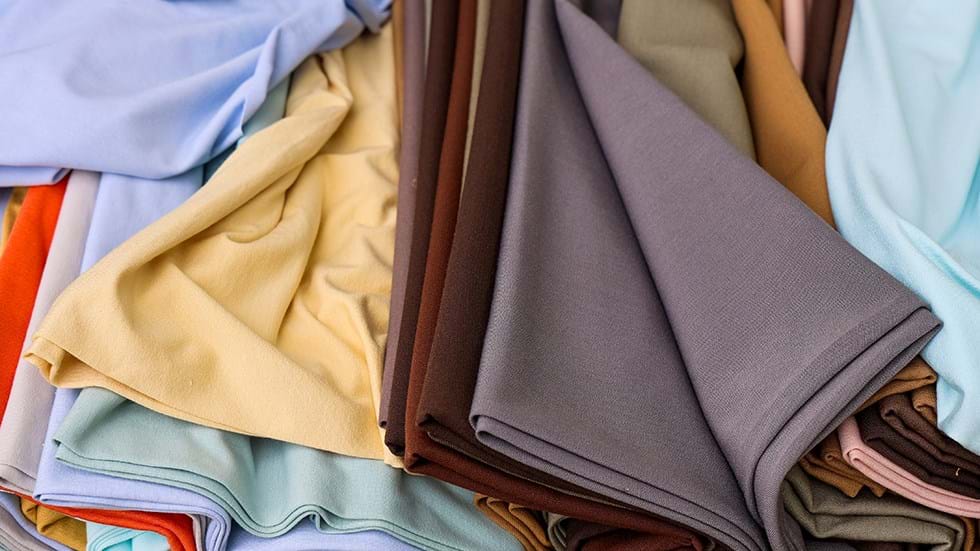
The plant will focus on recovering materials from hard-to-recycle waste streams, particularly Nylon 6,6 – a polymer widely used in textiles, automotive components and industrial applications.
Tackling a difficult material
Nylon 6,6 is valued for its strength, durability and resistance to heat and weather, with around 2m t/y produced globally. However, its stability and high melting point make it difficult and energy-intensive to recycle, meaning only a small fraction reaches end-of-life processing.
Epoch’s approach uses engineered enzymes – described by the company as “natural recycling machines” – to break down materials at room temperature. The process uses AI and modelling technology based on biological datasets to create enzymes with specific functionalities.
The process can convert Nylon 6,6 waste, including silicon-coated airbag fabrics, elastane-blended textiles and post-consumer clothing, into “virgin-quality” monomers that can be reused in new production.
Compliance
Epoch says the new site will help address a growing gap in recycling capacity as new European regulations push industries towards circularity.
The Ecodesign for Sustainable Products Regulation (ESPR), due to take effect from July, will restrict the destruction of unsold goods and encourage more sustainable product lifecycles.
Luciano Caruso, chief commercial officer at Epoch BioDesign, said: “The Grapht Works plant has the capacity to process hundreds of tonnes of post-consumer nylon 6,6 waste a year: this is sourced from apparel and automotive products, as well as various industrial applications.
“New EU regulations require these industries to confront what they do with end-of-life nylon and incineration or landfill are no longer acceptable answers.”
The plant is set to begin operations in Q3 of this year.
Recent Editions
Catch up on the latest news, views and jobs from The Chemical Engineer. Below are the four latest issues. View a wider selection of the archive from within the Magazine section of this site.