EnQuest fined record £16.5m for ‘actively’ delaying North Sea decommissioning
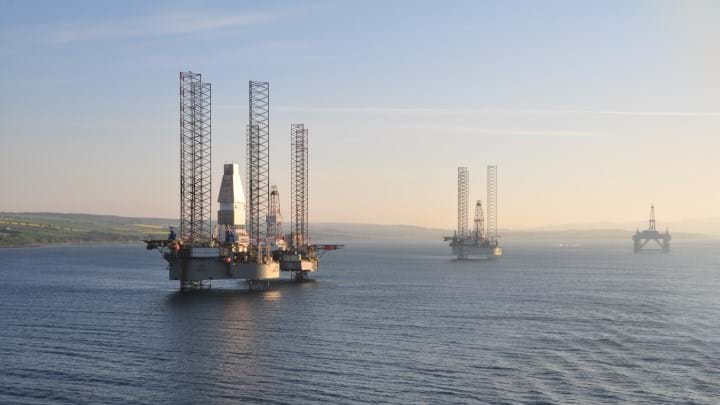
UK OIL and gas operator EnQuest has been fined a record £16.5m (US$22.3m) by the North Sea Transition Authority (NSTA) for “actively” failing to plug and abandon 33 disused wells.
The penalty is the largest single fine ever issued by the NSTA, far exceeding the previous record of £350,000 handed to Repsol in 2024.
The NSTA launched an investigation in 2023 into repeated delays in EnQuest’s plugging and abandonment (P&A) activity. In an email exchange released as part of their enquiry, a member of EnQuest’s senior leadership team confirmed the company had been “actively deferring this activity for a number of years”. In the same email chain, other senior leadership figures recognised the risk of a fine but that this was “likely to be relatively low” and that they could “manage any reputational risks”.
EnQuest, whose 2024 turnover was around US$1.1bn, specialises in late-life assets, operating the third largest number of wells due for decommissioning on the UK continental shelf. Following its investigation, the NSTA said EnQuest “pursued a conscious strategy” to avoid or defer P&A costs, and that “senior persons felt their obligations could be continually delayed”.
The 33 wells were spread across four fields that ceased production in 2020 and 2021. EnQuest was initially required to plug and abandon all wells by September 2022 but secured several extensions to a final deadline of March 2023. That month, however, the company informed the NSTA they would not meet the deadline and proposed to complete all P&A work by November 2027.
The NSTA highlighted EnQuest’s repeated failure to secure a rig operator to complete the decommissioning work, noting that while the company had awarded an infill drilling contract that included an option to include P&A activity, this was not a “firm commitment”. EnQuest also told the regulator it was unlikely any such contract would cover continuous P&A work.
EnQuest leadership was also planning to propose a further deferral until 2029.
The company blamed delays on failed negotiations with rig operators, cost increases and the impact of the UK Energy Profits Levy – a tax on energy companies brought in after the outbreak of the war in Ukraine.
The fine equates to around £500,000 per well – significantly less than the cost of decommissioning a well, which the NSTA estimates is between £3m and £11.5m.
EnQuest was approached for comment.
Rising costs
EnQuest’s fine follows a warning by the NSTA last July that operators risked financial penalties if they failed to address the growing backlog of disused wells. The regulator warned that rig operators were increasingly seeking work abroad as UK decommissioning projects were being delayed, risking escalating costs for plugging North Sea wells.
The NSTA estimated that decommissioning work in the North Sea would cost around £44bn, around half of which would come from P&A work.
The latest fine is the second for decommissioning failures since the NSTA’s warning, after NEO Energy was fined £100,000 in December.
NSTA chief executive Stuart Payne said: “Delays to decommissioning, and any reduction in supply chain capacity risks adding additional costs for the UK taxpayer. The NSTA is focused on supporting energy security and works with operators on ensuring economic recovery.
“It is now, more than ever, important to ensure that the North Sea is operating efficiently and clear regulation demonstrates stability and encourages investment, which can help boost production.”
Recent Editions
Catch up on the latest news, views and jobs from The Chemical Engineer. Below are the four latest issues. View a wider selection of the archive from within the Magazine section of this site.