bp scraps plans for Teesside hydrogen plant following row over competing data centre
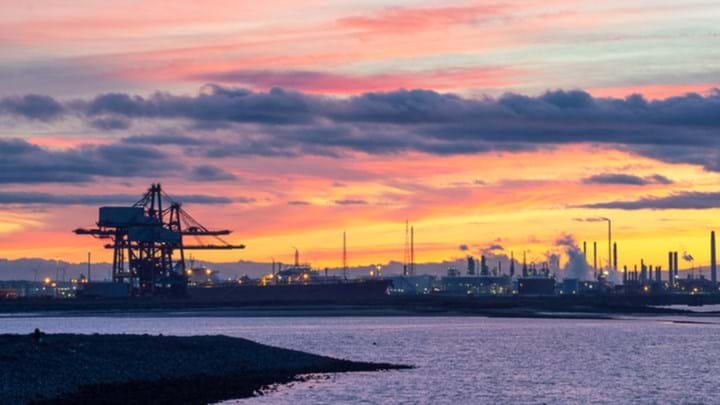
PLANS for bp’s flagship blue hydrogen production facility in Teesside, UK have been scrapped following a protracted dispute with developers planning to build an AI data centre on overlapping land.
Energy secretary Ed Miliband had been expected to rule this week on which of the competing plans would be given priority but bp confirmed in a letter to him yesterday evening that it was withdrawing its application for approval that would guarantee rights to build the H2Teesside plant. The company said the decision had “not been taken lightly”.
Peter Dodd, chair of IChemE’s Teesside members group told TCE the announcement was “very sad news” and that there would inevitably be “less demand for chemical engineers” in Teesside – not just from the absence of the hydrogen production facility but also from downstream users that had planned to rely on bp’s hydrogen.
H2Teesside had been expected to generate 1 GW of blue hydrogen – 10% of the government’s 2030 hydrogen production target – with emissions stored as part of the Net Zero Teesside carbon capture and storage (CCS) project. bp said the decision to scrap H2Teesside will not impact its investments in local CCS projects.
In addition to the competing data centre plans, bp said that “the hydrogen demand situation in Teesside has also deteriorated”, following the closure of Sabic's steam cracker at the nearby Wilton International site, which had been earmarked as the primary off-taker. bp had already signalled a broader shift away from hydrogen earlier this year when it scrapped plans for a green hydrogen facility, also in Teesside.
Land rows
The dispute escalated in June when Teesworks – the regeneration company that is 90% privately owned by two local businessmen – and the publicly owned South Tees Development Corporation (STDC) submitted plans for an AI data centre on land that overlapped with H2Teesside.
The consortium argued that land outside of the H2Teesside boundary would become “sterilised” under safety guidelines governing high-hazard sites. They added that a hydrogen pipeline would also “stymie” the separate development of a new National Grid substation.
bp has insisted that a workable coexistence plan was achievable. In earlier submissions to Miliband, bp accused Teesworks of refusing to engage, saying Teesworks had “chosen to ignore” its proposals offers to meet.
bp also noted that the Health and Safety Executive would have allowed the data centre to be located close to the hydrogen facility if it employed fewer than 100 workers and was less than two-storeys high. However, bp said that Teesworks refused to adapt the data centre plans which are set to accommodate 300 maintenance jobs and 400 general office jobs in the three-storey building.
Teesworks has faced sustained scrutiny following land deals that generated over £50m (US$66m) in profit after purchasing a 100-acre plot for around £100. The company says it has a prospective operator lined up for the data centre.
Direction of travel
bp said it was unclear why the data centre could not be located elsewhere on the 2,000-acre Teesworks estate, arguing that the site could support both AI and hydrogen development.
Dodd said the political “direction of travel” had been visible for some time. While Miliband was widely viewed as favouring the hydrogen project, prime minister Keir Starmer and former technology secretary Peter Kyle had strongly backed AI growth.
Tees Valley mayor Ben Houchen, who is also chair of STDC, had made no secret of his preference for the data centre, and celebrated bp’s decision in a LinkedIn post, saying it would put Teesside “right at the heart of the UK’s fast-growing AI and tech industry”.
Recent Editions
Catch up on the latest news, views and jobs from The Chemical Engineer. Below are the four latest issues. View a wider selection of the archive from within the Magazine section of this site.