Solar-powered airship reaches new heights
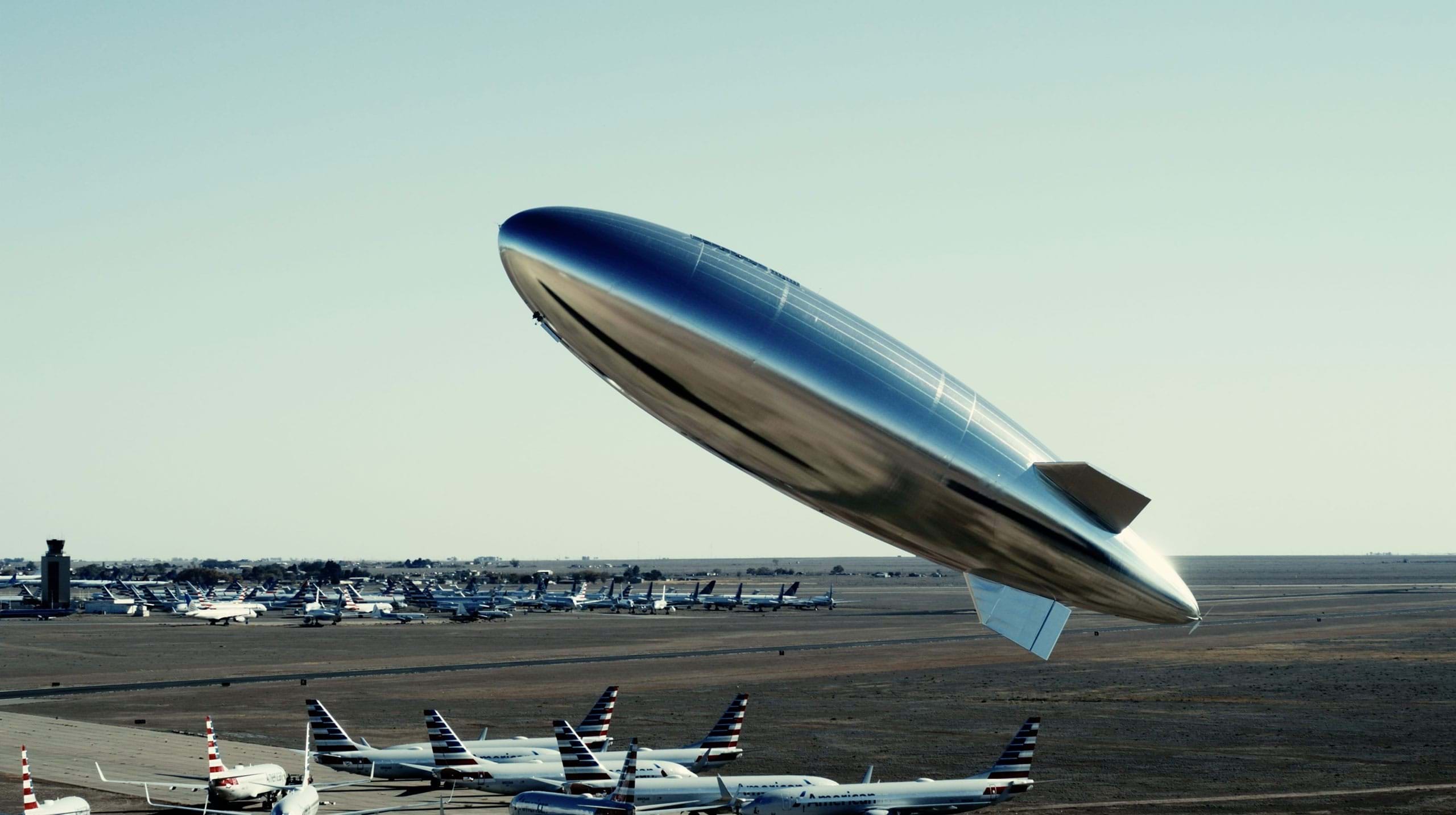
AN AIRSHIP running solely on solar power flew over Brazil for more than 88 hours, marking a “defining step” for the technology.
Sceye, an aerospace and materials science company, has developed high-altitude platform systems (HAPS) which are able to fly to heights of almost 12,000 m in the stratosphere.
The airship is equipped with solar arrays to generate power during the day, which also charges 425-Wh/kg lithium sulfur batteries for night-time operation.
The vessel maintained its power, position and altitude while travelling 10,300 km from New Mexico to Brazil.
Mikkel Vestergaard Frandsen, CEO of Sceye, said: “This is the defining step toward unlocking the stratosphere as a new layer of infrastructure.”
Smart materials
Sceye’s airships feature several design properties suited to stratospheric travel, including a hull skin the company claims is five times stronger than materials typically used for airships and solar array cells 53% lighter than conventional equivalents.
Flying at stratospheric altitude enables a range of applications, including real-time emissions monitoring, as the vessels can be equipped with sensors that can monitor methane and greenhouse gases in real time.
Future travels
Having proven its systems can operate for longer than a week, the company is looking to increase the airship's longevity to several months.
Sceye is currently working on a pre-commercial test flight in Japan. Having secured US$580m of funding last year, the company are now exploring its airships for disaster and emergency response relief.
Recent Editions
Catch up on the latest news, views and jobs from The Chemical Engineer. Below are the four latest issues. View a wider selection of the archive from within the Magazine section of this site.