Decision to buy Chinese steel for bp Teesside project ‘beggars belief’, UK sector says
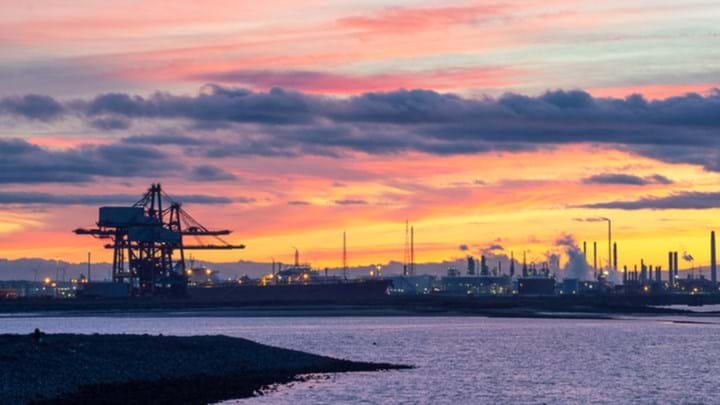
UK STEELMAKERS have attacked a decision to award a construction contract to a Chinese steel supplier for the bp-owned Net Zero Teesside Power (NZTP) development in northeast England. Industry group UK Steel said the deal “should never have been allowed to happen”.
According to UK Steel, a £5m (US$6.8m) contract was awarded by the NZTP consortium to a Chinese steelmaker to supply 7,000 t of steel – a relatively small portion of the project’s overall procurement. NZTP confirmed it has awarded recent contracts to Chinese steelmaker Modern Heavy Industries and British steel engineering group William Hare but did not confirm the contract values.
NZTP, majority owned by bp, is building a 740 MW carbon capture-enabled gas-fired power station and aims to be the largest such plant in the world. TCE understands the procurement process for the latest contract was led by Technip Energies and that bp had no direct involvement. Technip did not respond to a request for comment.
A spokesperson for NZTP said that the contract was awarded “following a competitive procurement process”. They continued: “NZTP’s major contractors remain on track to deliver more than 50% UK content, with around £1bn of UK-based subcontracts already awarded.”
NZTP is part of the East Coast Cluster, one of two carbon capture and storage (CCS) clusters in which the government committed to invest £21.7bn in October 2024, along with the HyNet project in northwest England.
Gareth Stace, director-general of UK Steel, noted that British Steel produces construction steel at the Lackenby Works, “just a few miles away”. Stace said the decision to choose Chinese steel “beggars belief”. Last year, Liberty Steel began producing CO2 pipelines for NZTP’s sister project, the Northern Endurance Partnership, at its nearby Hartlepool mill. As the site only manufactures pipelines it was not eligible to bid for the construction contract.
“For a major, taxpayer-supported project, this is deeply disappointing and should never have been allowed to happen,” Stace added.
“The government has been clear about its ambition to back British industry, strengthen domestic supply chains and treat steel as a strategic national asset…which makes bp’s decision all the harder to understand. UK producers, including British Steel in the region, have both the capability and capacity to supply steel.
“This decision underlines why clearer expectations and firmer delivery are needed, so companies benefiting from public support cannot continue to offshore value, jobs and strategic capability when UK supply is available.”
Industry minister and IChemE Fellow Chris McDonald said the government expected NZTP “to use UK steel wherever possible”, adding: “This government and the country at large share an ambition to grow industry, open factories and create well-paid jobs in communities that need them.”
Steeling the future?
Only two commercial steel facilities remain in Teesside, neither producing pig iron, which is sourced either overseas or from the UK’s last remaining blast furnace in Scunthorpe, owned by British Steel.
The UK steel sector is in a precarious position, with Scunthorpe’s future uncertain. Last April, the government took control of the plant after Jingye halted coke shipments, fearing imminent closure. Jingye still retains overall ownership of the site while the government manages the plant. Speaking earlier this month, McDonald said he hopes the Scunthorpe plant will be operational for a “century to come” but said this would require investment in new, lower-carbon steel technologies.
Recent Editions
Catch up on the latest news, views and jobs from The Chemical Engineer. Below are the four latest issues. View a wider selection of the archive from within the Magazine section of this site.