Piper Bravo shut down twice in January after spill
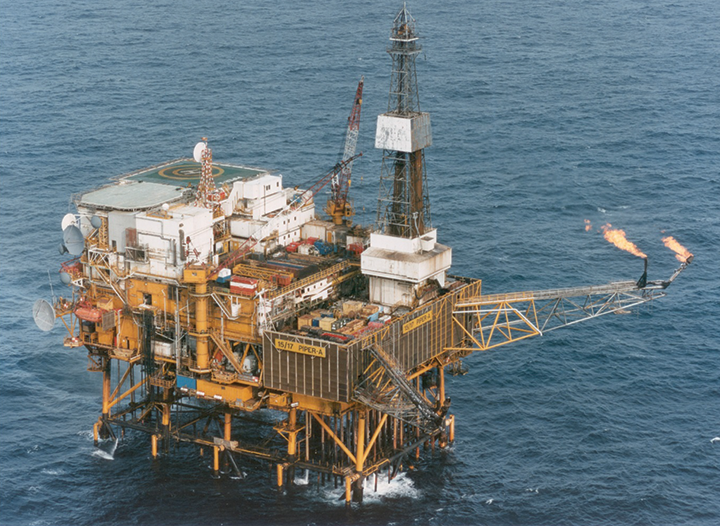
Valve failure prompts second suspension at NEO Next’s North Sea installation
OPERATORS of the Piper Bravo platform in the UK North Sea suspended production twice in January following a crude oil and diesel spill, TCE can reveal.
A source close to the investigation told TCE that an emergency shutdown took place on 6 January following the hydrocarbon spills. Energy minister Michael Shanks confirmed to parliament in mid-February that the spills were contained on the installation and that no oil entered the marine environment.
NEO Next restarted production the next day but without completing functional checks on the oil export pipeline valve. Eight days later, the company discovered the valve had failed, prompting a voluntary shutdown. NEO Next alerted the Health and Safety Executive (HSE) about the valve failure on 19 January.
The valve was closed shortly after the second shutdown but production remained suspended as NEO Next could not guarantee it would operate automatically if required. HSE has since been informed that production has restarted, but it is unclear how long output was suspended as the information was only provided voluntarily rather than through a formal notification.
A NEO Next spokesperson said: “We made the decision to shut down production immediately after awareness of the issue. This de-risked the asset and ensured it remained in a safe condition until thorough investigation, assurance and any required mitigation or controls were enacted.
“We have proactively informed and engaged with the Health and Safety Executive throughout.”
Export pipeline valves are critical safety devices, preventing oil backing up onto the platform in the event of pressure fluctuations. They are designed to close automatically in an emergency, and oil and gas production cannot continue while export valves are closed. A valve failure contributed to the 1988 Piper
Alpha disaster, when hydrocarbons backflowed onto the platform, fuelling the fire that killed 167 people. Piper Bravo was installed in 1992 as a replacement for Piper Alpha.
An HSE spokesperson said they had been informed of an “event on Piper Bravo on 6 January, in response to which production was suspended. This incident is subject to further enquiries and HSE has no comment to make at this time.”
Recent Editions
Catch up on the latest news, views and jobs from The Chemical Engineer. Below are the four latest issues. View a wider selection of the archive from within the Magazine section of this site.